





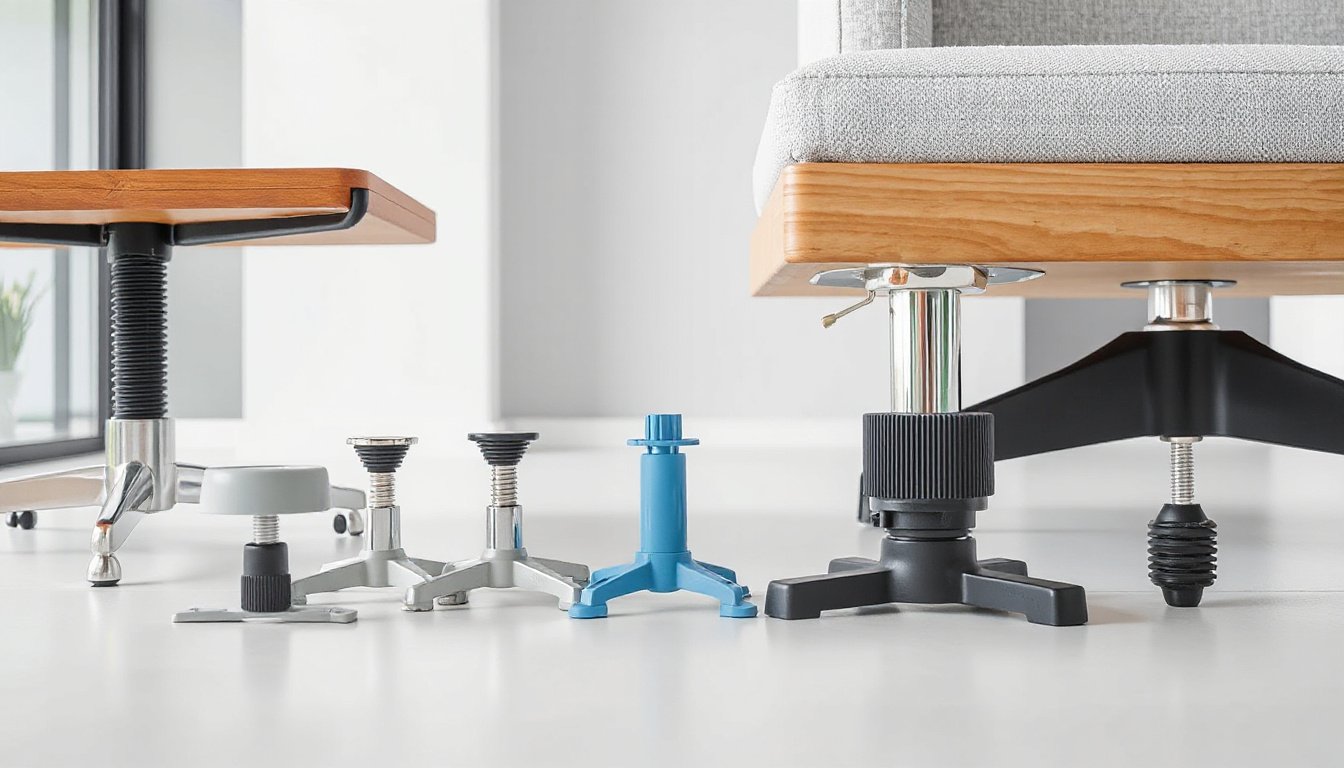
When it comes to achieving stable, level, and secure support for furniture and machinery, adjustable feet—also known as leveling feet—are an indispensable solution. Whether you’re outfitting a workbench, stabilizing a cabinet, or ensuring industrial equipment sits evenly on an uneven floor, adjustable feet provide the precise height adjustment and stability necessary to maintain balance and prevent wobbling. This guide explores the essentials of adjustable feet, their key benefits, types, and practical considerations to help you unlock perfect stability for your furniture and equipment.

What Are Adjustable Feet?
Adjustable feet are mechanical components that attach to the bottom of furniture legs, machinery, or equipment to allow flexible height adjustment. Typically, these feet consist of a threaded stem or bolt which screws into a corresponding threaded insert, nut, or hole on the furniture or equipment leg. By rotating the foot, you can raise or lower the height to compensate for irregular surfaces or to customize the overall height of an item.
Commonly made from durable materials such as zinc-plated steel, stainless steel, nylon, or rubber, adjustable feet often include protective bases or pads that safeguard floors from scratches and reduce vibration. They are widely used in domestic, commercial, and industrial environments.
Key Benefits of Adjustable Feet
-
Leveling and Stability: Adjustable feet compensate for uneven floors or ground surfaces, eliminating wobble and unsteadiness. This results in safer, more reliable furniture and equipment positioning.
-
Height Customization: You can fine-tune the height of tables, shelves, cabinets, and machinery to suit ergonomic needs, improve usability, or align multiple components smoothly.
-
Surface Protection: Many adjustable feet feature rubber, nylon, or TPR (thermoplastic rubber) bases designed to protect delicate flooring from damage and minimize noise and vibration.
-
Load Capacity: Heavy-duty models support significant weights, from light furniture up to thousands of kilograms per foot in industrial applications, ensuring long-lasting performance under pressure.
-
Corrosion Resistance: Stainless steel and coated versions resist corrosion, making them ideal for outdoor use or harsh operational environments.
-
Ease of Installation and Adjustment: The threaded design makes installation simple and adjustments fast without specialized tools; some models include hex or slotted heads for convenience.
Types and Styles of Adjustable Feet
Adjustable feet come in a variety of designs to suit different applications and load requirements:
-
Threaded Leveling Feet: The most common, with a threaded shaft that screws into threaded inserts or nuts on furniture or machinery legs.
-
Heavy-Duty Adjustable Feet: Constructed for industrial machinery with higher weight ratings (up to 5,000 kg per foot), often made from stainless steel or zinc-coated steel.
-
Ball Jointed Levelling Feet: Feature an articulating base that self-adjusts to uneven floors while providing stable support.
-
Rubber or Nylon Based Feet: Designed to protect flooring surfaces and reduce vibration; especially popular in office furniture and factory equipment.
-
Low-Profile Adjustable Feet: Compact feet that provide discreet leveling without adding excessive height.
-
Tilting Feet: Allow small angled adjustments to accommodate non-flat surfaces more precisely.
Choosing the Right Adjustable Feet: What to Consider
Selecting the perfect adjustable feet requires attention to several factors:
-
Thread Size and Length: Ensure the thread matches the receiving furniture leg or equipment hole; longer threaded shafts allow greater height adjustment.
-
Base Diameter: Larger bases offer more stability and better weight distribution, ideal for heavy or tall equipment.
-
Material: Match the materials to the environment and usage. Stainless steel suits moisture-prone areas; nylon or rubber bases protect sensitive floors.
-
Load Rating: Check the maximum supported weight per foot to ensure safe use, especially for heavy furniture, machinery, or retail installations.
-
Mounting Method: Options include screw-in with T-nuts, threaded inserts, or bolt-on brackets. Consider compatibility with your furniture or machinery design.
Installation and Maintenance Tips
-
Accurate Measurement: Measure the thread diameter, length, and base size before purchasing to avoid compatibility issues.
-
Secure Fixings: Use matched threaded inserts or nuts to guarantee stable mounting and load-bearing capability.
-
Regular Adjustment: For frequently moved items, periodically check and adjust feet to maintain level placement.
-
Floor Protection: Employ rubber or felt pads under feet if needed to further protect flooring from scratches or marks.
-
Corrosion Protection: For outdoor or humid environments, choose corrosion-resistant feet and inspect regularly for wear.
Practical Applications of Adjustable Feet
-
Furniture: Tables, chairs, cabinets, workbenches, and beds benefit from level support and customizable height.
-
Machinery and Industrial Equipment: Heavy-duty leveling feet stabilize manufacturing machines, conveyors, and assembly stations.
-
Outdoor Installations: Adjustable decking feet and shed supports adapt to uneven ground and provide secure foundation.
-
Retail and Commercial Environments: Display units, shelving, and counters maintain professional appearance and stability.
Conclusion
Adjustable feet are a versatile, cost-effective solution to achieve stable, level, and secure furniture and machinery setups. By selecting the appropriate type, thread size, base material, and load rating, you can enhance safety, comfort, and appearance across a wide range of applications. From DIY home projects to industrial platforms, unlocking perfect stability has never been easier with the right adjustable feet.
Whether you need to fix a wobbly table, upgrade your workshop bench, or support heavy industrial equipment, adjustable feet offer the precision and reliability you require to keep your furniture and tools solidly grounded.