





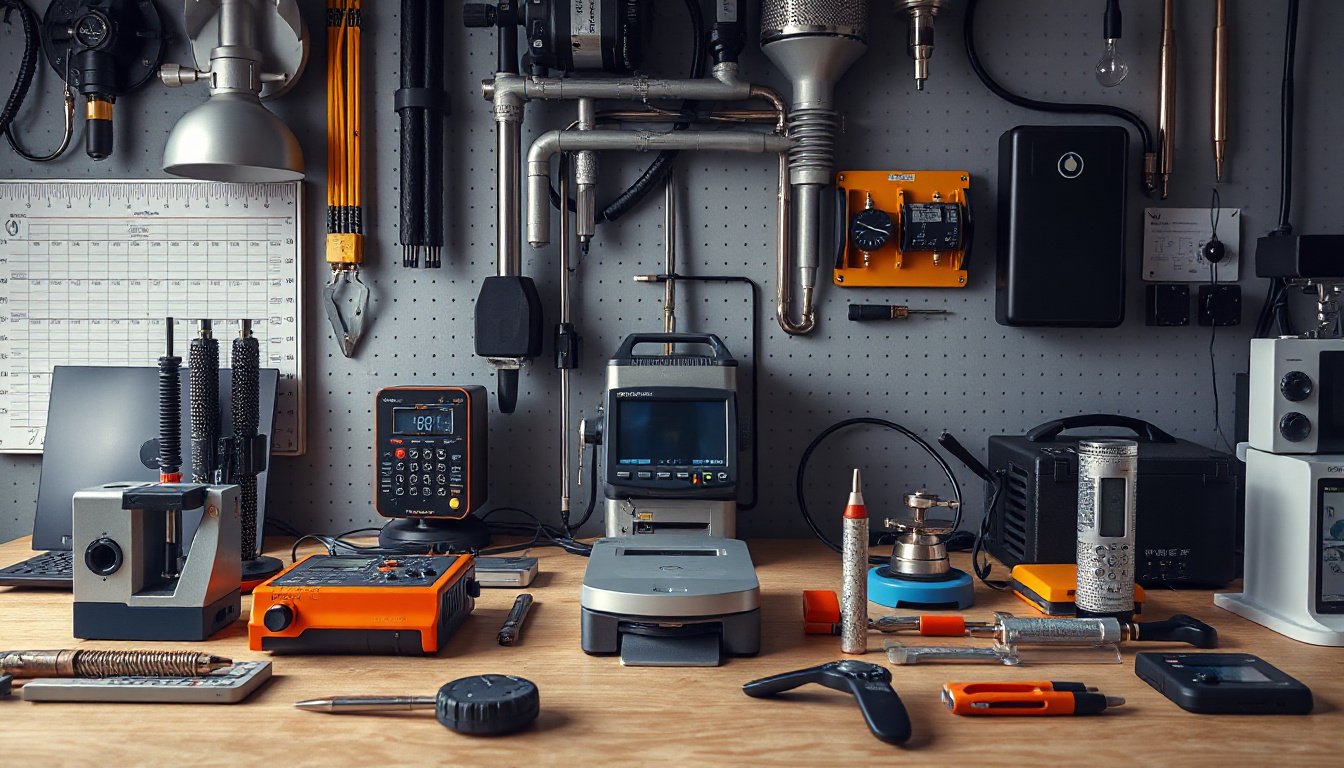
Calibration is a fundamental practice that ensures the accuracy, reliability, and efficiency of measurement instruments and equipment across industries—from manufacturing and aerospace to life sciences and renewable energy. With precise calibration, organizations can maintain quality standards, reduce production costs, minimize downtime, comply with regulations, and enhance overall operational excellence.
This comprehensive guide explores various calibration options, methods, and best practices to help you select the right approach tailored to your equipment’s needs and operational context.
What is Calibration and Why is it Important?
Calibration is the process of comparing the readings of a measurement device—known as the Unit Under Test (UUT)—against a reference standard that has a known, superior accuracy. This comparison identifies any deviations and helps adjust the device to provide accurate results. Calibration guarantees that measurement instruments perform within specified tolerances, thereby ensuring consistent product quality and operational reliability.
Without regular calibration, instruments may drift out of tolerance, resulting in inaccurate measurements that can cause defective products, increased rework, costly recalls, and customer dissatisfaction. Hence, calibration is not just a technical necessity but a strategic investment in quality control.
Key Calibration Terminology
- As Found Data: Measurement recorded before adjustment during calibration.
- As Left Data: Reading after adjustment, or the same as found if no adjustment was made.
- Out-of-Tolerance (OOT): When instrument performance falls outside specified limits.
- Test Uncertainty Ratio (TUR): Ratio comparing the accuracy of the instrument under test to that of the reference standard.
- Optimization: Adjusting an instrument to enhance measurement accuracy.
Overview of Calibration Options
Several calibration approaches are available depending on the accuracy needs, environmental constraints, and operational considerations:

1. Laboratory Calibration
Laboratory calibration is the most precise and controlled method, traditionally performed in a specialized ISO-accredited lab. Environmental variables such as temperature and humidity are strictly controlled to minimize external influences.
- Benefits:
- Highest accuracy and traceability to national or international standards.
- Includes detailed documentation with traceable certificates.
- Often combined with repair services to fix equipment during calibration.
- Ideal for: Critical, high-precision instruments requiring detailed verification.
2. Field Calibration with Hand-Held Devices
Field calibration enables verification and adjustment of equipment without removal from its operational environment. Using portable reference instruments or hand-held calibrators, technicians can perform calibration onsite, reducing equipment downtime.
- Benefits:
- Quick and convenient with minimal disruption.
- Suitable for routine calibrations and spot-checks.
- Requirements: Availability of a reliable field standard.
3. Salt Solution-Based Calibration (Specific to Humidity Sensors)
Saturated salt solutions provide fixed calibration points by creating known humidity environments. This method allows for multi-point calibration that is particularly suited for non-critical relative humidity measurements.
- Benefits:
- Simple, cost-effective for periodic verification.
- Long-standing traditional method in humidity calibration.
- Ideal for: Instruments where full laboratory calibration is not feasible or necessary.
4. Field Spot-Checking
Spot checking is a quick, qualitative check to confirm whether an instrument is functioning properly. Unlike full calibration, it doesn’t require stabilization time and doesn’t adjust the instrument but helps identify whether detailed calibration is warranted.
- Benefits:
- Fast and easy.
- Useful as part of routine maintenance.
- Ideal for: Critical applications where ongoing monitoring between calibrations is essential.
Best Practices for a Successful Calibration Program
Ensuring an effective calibration program involves more than just performing calibrations periodically. Consider these key elements:
-
Establish a Calibration Schedule: Define intervals based on manufacturers’ recommendations, instrument usage, criticality, and historical performance data.
-
Track and Document Accurately: Use unique identifiers for each instrument that records location, custodian, calibration status, and history.
-
Manage Out-of-Tolerance Findings: Investigate and resolve any OOT conditions promptly to prevent compromised quality.
-
Invest in Calibration Management Software: Tools like CalWeb enable real-time tracking, automated scheduling, and seamless record keeping.
-
Select the Right Service Provider: Depending on your needs, choose a provider offering accredited laboratory calibrations, onsite multi-brand calibration, flexible scheduling (e.g., nights or weekends), and repair services.
-
Train Technicians Properly: Qualified personnel ensure proper calibration techniques and compliance with relevant standards such as ISO 9001 and ISO/IEC 17025. —
Outsourcing vs. In-House Calibration
Many organizations opt to outsource calibration to specialized labs rather than maintaining internal facilities due to:
- High costs in acquiring and maintaining calibration standards.
- Need for accredited procedures and skilled personnel.
- Resource focus on core business instead of calibration management.
Outsourcing enhances efficiency, offers access to expertise, ensures compliance with industry standards, and often reduces total costs.
Summary
Choosing the right calibration option depends on your equipment’s precision requirements, operational constraints, budget considerations, and regulatory obligations. Options range from laboratory calibration, the gold standard in accuracy, to versatile field calibrations and spot checks that offer operational flexibility.
Implementing a structured calibration program with documented procedures and leveraging management software will safeguard measurement traceability and quality control. Whether performed internally or outsourced, calibration is indispensable for maintaining the integrity of your measurement instruments and ensuring dependable product performance.
For continuous accuracy and compliance, consider your equipment’s unique needs against these calibration options and establish a calibration program that unlocks the full potential of your measurement systems.