





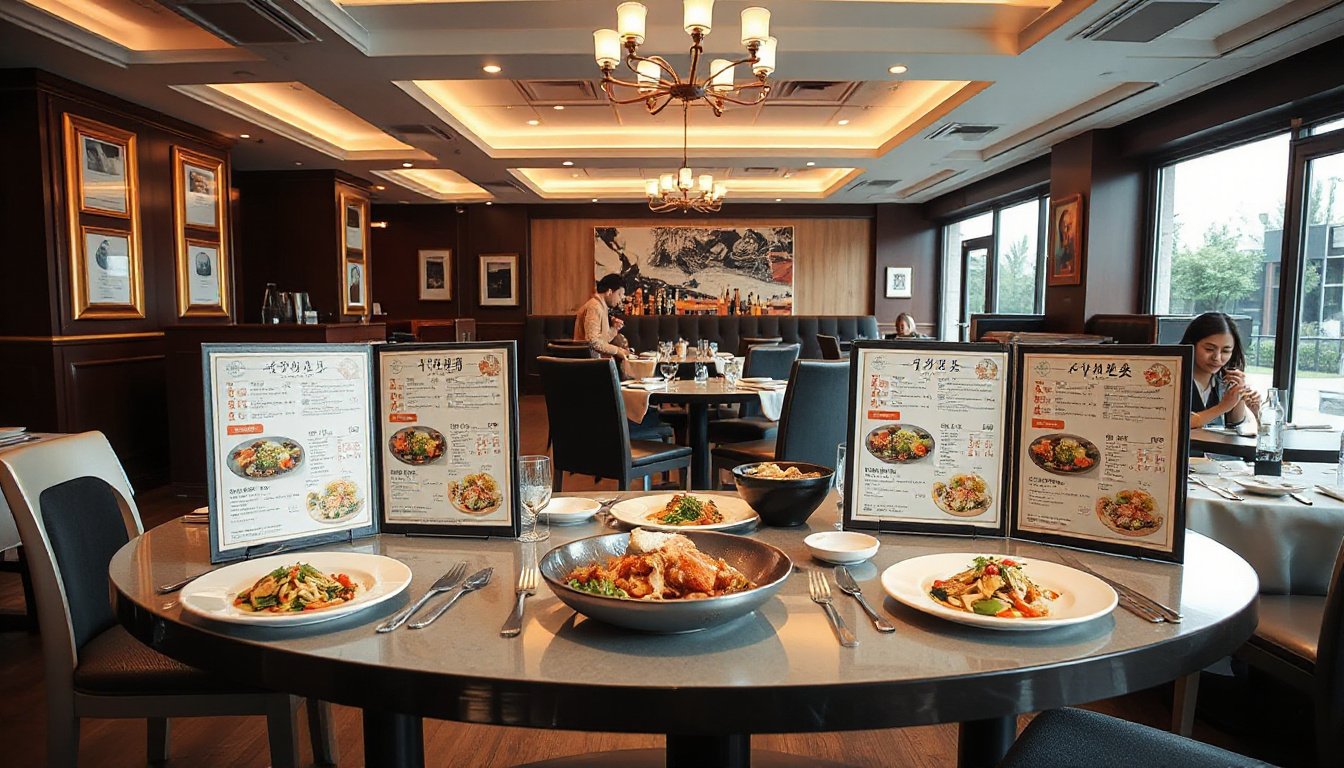
In today’s globalized world, dining experiences transcend borders, languages, and cultures. Whether you are running a bustling restaurant in a cosmopolitan city or managing a hotel that hosts international guests, offering a multi-language menu is an essential step toward exceptional hospitality. Multi-language menus cater to diverse clientele, enhance customer satisfaction, and streamline ordering processes. This comprehensive guide explores the benefits, tools, and best practices for implementing effective multi-language menus in your dining establishment.
Why Multi-Language Menus Matter
A multi-language menu is more than just translating dishes into different languages; it’s about creating an inclusive and inviting environment where all guests feel valued and understood. Here are key reasons why multi-language menus are crucial:
- Enhance Guest Experience: Breaking language barriers helps guests understand menu items, ingredients, and nutritional information clearly, reducing confusion and enhancing the overall dining experience.
- Increase Accessibility: Non-native speakers, tourists, and international guests can explore diverse cuisines confidently, encouraging them to try new dishes.
- Boost Sales and Efficiency: As demonstrated by multiple dining businesses, digitizing menus with multiple language options can increase sales by 15-30%, improve order accuracy, and speed up service.
- Reduce Communication Errors: Multi-language menus minimize misunderstandings between guests and staff, allowing for smoother operations and higher customer satisfaction.
- Showcase Brand Professionalism: Providing menus in multiple languages reflects attention to detail and commitment to customer care, which can strengthen brand reputation globally.

How to Implement Multi-Language Menus
Choose the Right Platform
Today’s advanced restaurant management systems make it easy to create multilingual menus. Platforms such as FineDine offer automated translation support for up to 40 languages, allowing you to manage menus for multiple locations effortlessly. Features commonly include:
- Automatic translation for menu items, modifiers, descriptions, and pricing.
- Support for multiple currencies to assist international guests smoothly.
- Integration with QR code menus, enabling contactless and real-time updates.
- Localization of customer feedback forms and allergy or nutritional information.
Digital vs. Printed Menus
With the rise of mobile technology and post-pandemic safety considerations, digital menus accessed via QR codes have become the norm. Digital menus offer significant benefits for multi-language support:
- Instant switching between language options without requiring multiple printed versions.
- Easy and fast updates to menu content, prices, or promotions across all languages.
- Ability to customize menu design and branding to suit different cultural preferences.
- Reduced printing costs and environmental impact.
Technical Considerations for Websites and Apps
If you’re managing a restaurant website or a food ordering app, integrating multi-language support into navigation menus is essential. Tools like Drupal’s Menu Multilingual module facilitate translation and maintenance of menu structures, ensuring visitors see menu items in their preferred language without clutter or confusion.
For app developers, platforms such as Kuika Akademi highlight how to enable multi-language support within menu elements by adding languages and managing translations seamlessly in the backend.
Best Practices for Multi-Language Menus
- Accurate and Culturally Sensitive Translations: Avoid direct mechanical translations. Instead, consult native speakers or professional translators to ensure dish names and descriptions resonate culturally and are easily understood.
- Clear Display of Allergens and Nutritional Information: Make vital health information available in all supported languages to cater to dietary restrictions.
- Consistent Updates and Localization: Regularly review menus to maintain accuracy, implement local pricing, and include culturally relevant dishes or descriptions.
- User-Friendly Interface: Make language selection menus intuitive and readily accessible on digital menus.
- Feedback Integration: Collect guest feedback in multiple languages to continuously refine the customer experience.
Real-World Success with Multi-Language Menus
Many internationally recognized hospitality brands and independent eateries have reported success after implementing multi-language menus. Benefits include:
- Sales increase by up to 30% due to improved accessibility and clearer customer choices.
- Enhanced guest satisfaction and repeat visits from tourists and international communities.
- Streamlined order processing reduces errors and training time for multilingual staff.
- Higher tips and revenue from better cross-selling opportunities through customized multi-language offerings.
Conclusion
For global cuisine lovers and international dining venues, multi-language menus are no longer optional—they are a fundamental aspect of modern hospitality. By leveraging digital tools, embracing culturally sensitive translations, and prioritizing user experience, restaurants can extend warm welcomes to guests from around the world, boost operational efficiency, and elevate their brand on the international stage.
Investing in a robust multi-language menu solution means creating a restaurant environment where every guest, regardless of their native language, can effortlessly enjoy the rich flavors and stories behind every dish.
By embracing multi-language menu solutions, you open the door to a truly global dining experience, making every meal memorable and accessible to all.