





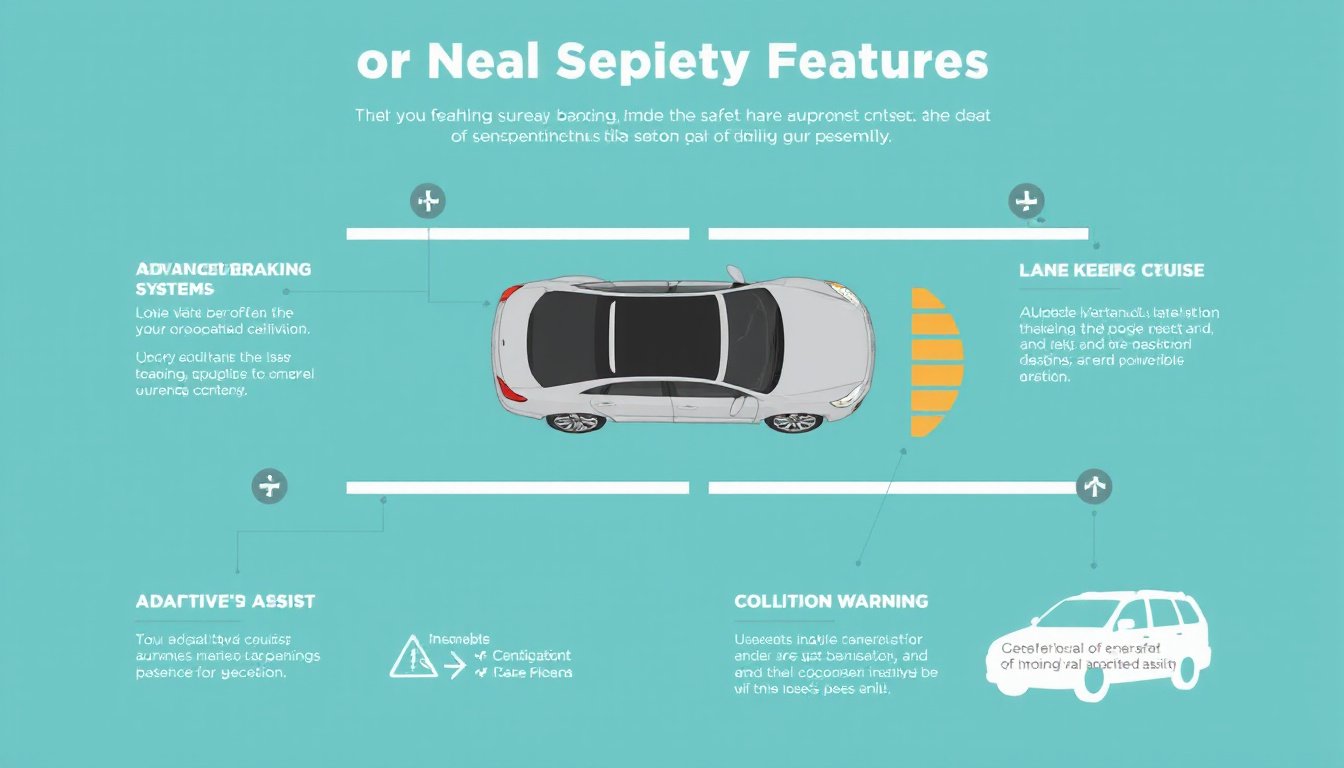
When it comes to vehicles today, safety is paramount. Advances in automotive technology have introduced a plethora of features designed to protect both drivers and passengers, reduce accidents, and mitigate injury when collisions occur. Understanding these safety features not only helps consumers make informed decisions when purchasing a vehicle but also enhances the overall driving experience through increased confidence and peace of mind. This comprehensive guide explores key safety systems found in modern cars, their benefits, and how they contribute to safer roads for everyone.
Foundational Safety Components
Seat Belts and Airbags
The single most critical safety feature remains the seat belt—a simple yet life-saving device that dramatically reduces the risk of fatal injury in a crash. Complementing seat belts are airbags, which have been standard in front seats since the late 1990s and have evolved to include side-impact and curtain airbags for enhanced protection.
-
Front Airbags: Inflate immediately upon sensing a frontal collision to cushion occupants from impact.
-
Side-Impact Airbags: Deploy from the door or seat to protect the torso during side collisions.
-
Curtain Airbags: Deploy from above the windows to protect occupants’ heads and reduce the risk of ejection during rollovers or side crashes.
Modern airbag systems are "adaptive," meaning they adjust deployment force based on occupant size, weight, and seating position to minimize injury risk, especially to children and smaller passengers.
Antilock Braking System (ABS)
ABS prevents wheel lockup during hard braking, which can cause loss of steering control. By automatically modulating brake pressure at each wheel, ABS enables drivers to maintain control and steer around obstacles even under emergency braking conditions. This system is standard on nearly all new vehicles and is vital for maintaining traction on slippery surfaces.
Electronic Stability Control (ESC) and Traction Control
-
ESC: Helps prevent skidding or loss of control by automatically applying brakes to individual wheels and adjusting engine power during sudden maneuvers or on slippery surfaces.
-
Traction Control: Works alongside ABS and ESC to reduce wheel spin during acceleration, enhancing grip and control on various terrains.
Both systems contribute significantly to preventing rollovers and loss-of-control accidents.
Advanced Driver Assistance Systems (ADAS)
Modern vehicles come equipped with a suite of intelligent technologies designed to actively assist drivers and prevent accidents before they happen. 
Collision Avoidance
-
Forward Collision Warning (FCW): Alerts drivers when a frontal collision is imminent, providing time to react.
-
Automatic Emergency Braking (AEB): Automatically applies brakes if the driver fails to respond to FCW alerts, helping avoid or mitigate impact.
-
Pedestrian and Bicycle Detection: Identifies pedestrians or cyclists in or near the vehicle’s path, triggering warnings or automatic braking.
Lane and Side Assistance
-
Lane Departure Warning (LDW): Alerts drivers when the vehicle drifts out of its lane unintentionally.
-
Lane Keeping Assist (LKA): Actively steers the vehicle back into the correct lane if unintended drifting is detected.
-
Blind Spot Warning: Detects vehicles in adjacent lanes and warns when a lane change may be unsafe.
-
Rear Cross Traffic Alert: Warns the driver of approaching cross traffic when backing out of parking spots or driveways.
Adaptive Technologies
-
Adaptive Cruise Control (ACC): Maintains a set speed and distance from the vehicle ahead by automatically accelerating or braking—reducing driver fatigue on highways.
-
Adaptive Headlights: Adjust the direction and intensity of light beams based on steering input, speed, and road curvature for better nighttime visibility.
-
Automatic Parking: Assists with parallel or perpendicular parking maneuvers by controlling steering inputs and sometimes braking.
Driver Monitoring Systems
To help combat distracted or drowsy driving, some vehicles feature driver state monitoring that tracks eye movement or head position, alerting drivers to take breaks or pay closer attention to the road.
Monitoring Vehicle Condition for Safety
-
Tire Pressure Monitoring System (TPMS): Alerts drivers when tire pressure is dangerously low, preventing blowouts and improving fuel economy.
-
Temperature Warning: Provides alerts if the engine or other components are overheating.
-
Hill Descent and Hill Start Assist: Helps maintain control when driving on steep grades by managing braking and preventing rollback.
Recognized Safety Leaders
The Insurance Institute for Highway Safety (IIHS) and the Highway Loss Data Institute (HLDI) evaluate vehicles extensively, awarding the Top Safety Pick and Top Safety Pick+ designations to models demonstrating superior crash protection and advanced safety features. These awards guide consumers toward some of the safest vehicle options in every segment, from small cars to large SUVs and pickups.
Their criteria include:
- Strong crash test performance across multiple impact types.
- Effective collision avoidance and mitigation systems.
- Quality headlight performance.
- Pedestrian crash prevention capabilities.
Conclusion
Safety features in modern vehicles have transformed driving by preventing accidents and protecting occupants more effectively than ever before. From fundamental components like seat belts and airbags to sophisticated driver assistance technologies, these systems collectively offer peace of mind on the road.
When considering a new or used vehicle purchase, it’s essential to pay attention not only to a car’s safety ratings but also to the safety features it offers. Familiarizing yourself with these technologies can enhance your driving habits and help you choose a vehicle that best meets your safety needs.
For the latest information, always consult trusted resources such as vehicle owner manuals, safety advocacy organizations, and independent safety testing authorities to stay informed about innovations and updates in automotive safety.