





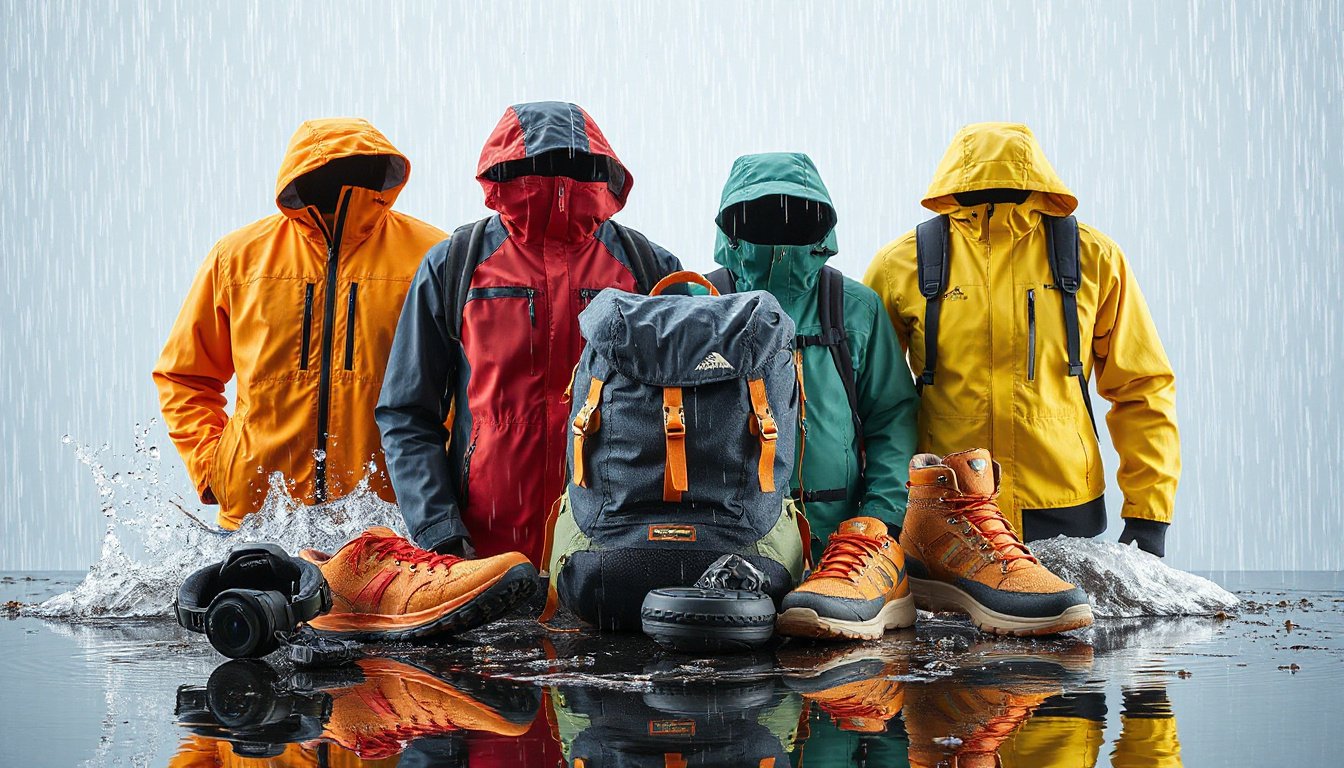
When preparing for outdoor activities, selecting the right gear to protect you from the elements is essential. Whether you’re hiking, cycling, or simply commuting in unpredictable weather, understanding the distinctions between waterproof, water-resistant, weatherproof, and water-repellent features will help you make an informed decision. This guide breaks down these terms, their technological aspects, performance capabilities, and suitability for different conditions to keep you dry, comfortable, and protected.

Decoding the Terminology: Waterproof vs. Water-Resistant vs. Weatherproof
Outdoor gear often features terms like waterproof, water-resistant, weatherproof, or water-repellent. These signify different levels of protection against moisture, and although they are sometimes used interchangeably, they have distinct meanings:
-
Waterproof: Provides a complete barrier against water penetration. A waterproof item prevents any moisture from entering regardless of the duration or intensity of exposure. For instance, waterproof backpacks or jackets might feature sealed seams, waterproof membranes, and specialized coatings that guarantee protection even when submerged or during prolonged heavy rain.
-
Water-Resistant: Offers partial protection against water, typically effective during light rain or brief exposure to moisture. Water-resistant gear is usually constructed from tightly woven fabrics treated with coatings that repel water to a degree, but it may absorb moisture over extended periods or under heavy rainfall.
-
Weatherproof: Generally indicates robust protection against a variety of weather elements such as wind, rain, and snow, but does not guarantee absolute waterproofness. Weatherproof gear is ideal for variable outdoor conditions and has durability for wear and tear.
-
Water-Repellent: A surface treatment on fabrics causing water droplets to bead and roll off the garment. This treatment (often durable water repellent, or DWR) slows water absorption but wears off with use and needs periodic renewal.
How Does Waterproof Protection Work?
Waterproof fabrics are engineered with multiple technologies to deliver complete defense against moisture. One key component is a waterproof membrane — for example, GORE-TEX — which is a thin layer made of billions of tiny pores. These pores are small enough to block liquid water yet large enough to allow water vapor (sweat) to escape, providing breathability alongside waterproofing.
Key characteristics of waterproof gear include:
-
Multiple Layers and Lamination: The fabric is often laminated or coated with waterproof materials that include rubber-like films and protective membranes.
-
Sealed or Taped Seams: Stitch holes can let water in, so waterproof products often have taped or welded seams to eliminate these entry points.
-
Waterproof Zippers: Specialized zippers prevent water leakage into the garment.
-
Waterproof Ratings: Measured in millimeters (mm), this figure indicates the amount of water pressure a fabric can withstand before leaking. Ratings can range from 2000mm (suitable for light rain) to 20,000mm or more (built for severe weather conditions).
For example, a jacket with a 10,000mm rating can withstand significant rainfall and snow, keeping the wearer dry during extended outdoor use.
Understanding Water-Resistant Gear
Water-resistant gear is commonly made from tightly woven fabrics treated with water-repellent coatings to resist light moisture. Though it’s not designed for heavy downpours or extended exposure, water-resistant clothing and gear perform well in light showers, drizzle, or damp conditions.
Some advantages of water-resistant gear include:
-
Lightweight and Breathable: Since the fabric isn’t heavily coated or laminated, water-resistant gear tends to be softer, lighter, and more breathable, offering better comfort and mobility.
-
Ease of Use: These garments are often easier to pack and great as an outer shell on days with unpredictable weather.
-
Durability over Short Term: While the water-repellent coating can wear off with time, these items can be restored with proper washing and re-application of durable water repellent (DWR).
Water-resistant gear is ideal for casual outdoor activities and environments where heavy rain is unlikely.
The Role of Durable Water Repellent (DWR) Treatment
DWR is a finish applied to outer fabrics to make water bead up and roll off instead of soaking in. It temporarily enhances the water resistance of clothing and gear before the fabric becomes saturated.
However, DWR coatings wear down with use, dirt, and washing. If water stops beading and begins soaking into the fabric, it’s time to restore the treatment by following the manufacturer’s care instructions, often involving washing with a specialty detergent and tumble drying.
Weatherproof vs. Waterproof: Which is Better for You?
-
If you expect constant or heavy rainfall, wet snow, or water submersion, waterproof gear is essential. It offers uncompromising protection, although it may be heavier or less breathable.
-
For light rain, wind, or occasional showers, weatherproof or water-resistant gear provides adequate protection while being lighter and more flexible.
-
Water-repellent items can supplement your wardrobe by offering quick-dry surfaces that shed moisture during brief periods of wetness and are easy to carry.
Waterproof Features to Look For in Outdoor Gear
When selecting waterproof gear, consider these features to ensure reliable protection:
-
Waterproof Membrane Technology: Look for membranes like GORE-TEX or similar high-performance materials.
-
Sealed Seams and Zippers: Verify that seams are taped or welded and zippers are waterproof.
-
Waterproof Ratings: Choose suitable waterproof ratings according to expected weather conditions (e.g., 10,000mm rating for heavy rain).
-
Durable Water Repellent (DWR) Finish: Ensure the outer fabric has a fresh DWR coating for enhanced water beading.
-
Breathability: Critical for active pursuits to manage internal moisture from sweat.
Care and Maintenance Tips for Waterproof and Water-Resistant Gear
To prolong the life and effectiveness of your gear:
-
Clean jackets and bags regularly with appropriate detergents designed for technical fabrics.
-
Reapply DWR treatment when water no longer beads on the surface.
-
Avoid fabric softeners or bleach which can damage waterproof membranes.
-
Follow specific washing and drying instructions outlined by the manufacturer.
Conclusion
Choosing between waterproof, water-resistant, weatherproof, or water-repellent gear depends on your specific needs, activity level, and anticipated weather conditions. Waterproof gear offers the ultimate defense for wet and extreme environments, while water-resistant and weatherproof products excel in lighter conditions with added comfort and breathability.
By understanding these features and technologies, you can outfit yourself with the right protection to stay comfortable, dry, and ready to enjoy the outdoors regardless of the weather. Whether you’re facing a heavy downpour or just a passing drizzle, the proper gear makes all the difference.
References:
- Trespass Team, “The Difference Between Waterproof and Water Resistant Jackets,” updated 2024
- GOREWEAR US, “Water-resistant vs Waterproof Gear,” 2024
- Oreate AI Blog, “Weatherproof vs. Waterproof: Understanding the Differences,” 2026