





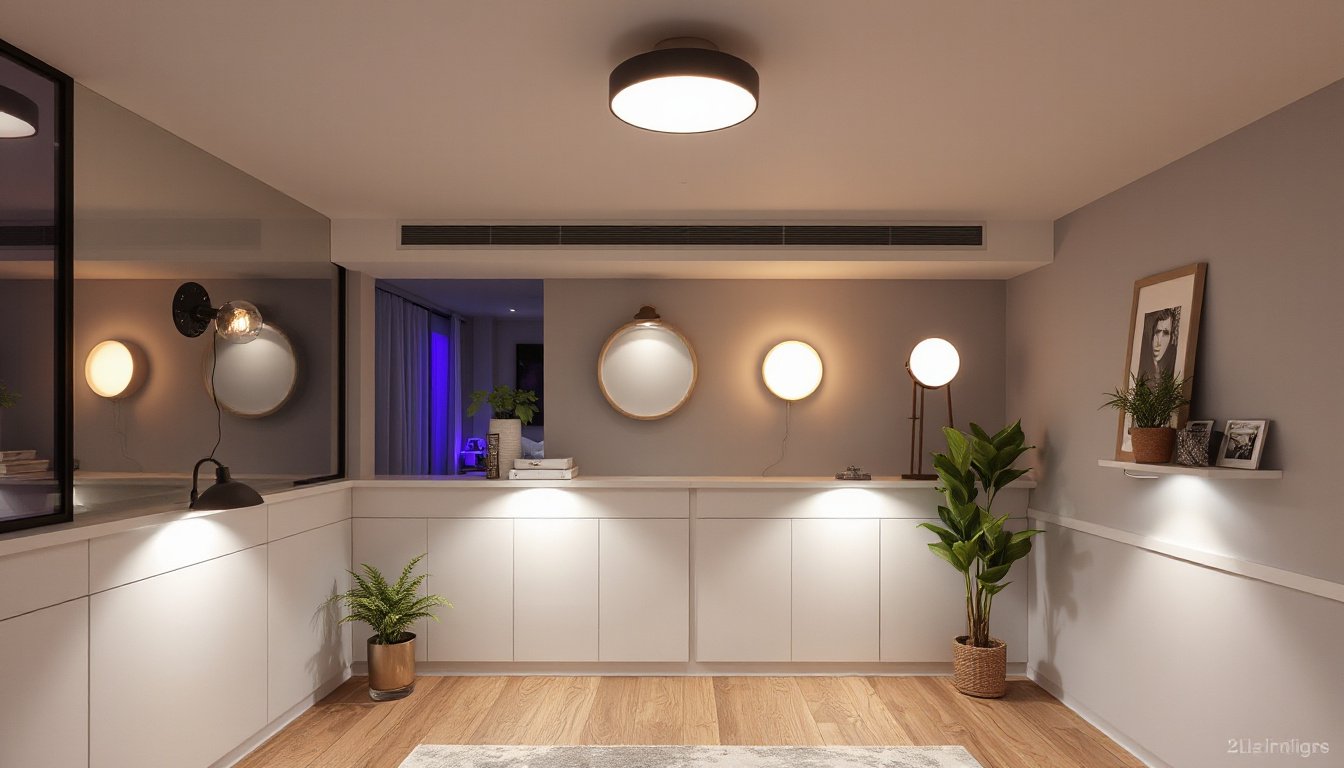
When it comes to lighting, brightness is one of the most important factors to consider. But how do you measure brightness accurately? The answer lies in lumens, a standardized unit that quantifies the amount of visible light a source emits. Understanding lumens can help you select the perfect lighting for any room or purpose, ensuring your space is both functional and comfortable. This guide will break down the concept of brightness in lumens, its importance, and how to make informed lighting choices.
What Are Lumens?
A lumen (lm) is the International System of Units (SI) measure of luminous flux, which corresponds to the perceived power of visible light emitted by a source. Unlike wattage, which measures energy consumption, lumens quantify the actual light output visible to the human eye.
To understand it simply:
- More lumens = brighter light
- Fewer lumens = dimmer light
This measurement reflects how much light is produced, regardless of how much energy the bulb consumes. For example, LED bulbs can produce the same number of lumens as traditional incandescent bulbs but use significantly less power.
How Lumens Compare to Watts
Traditionally, people often judged a bulb’s brightness by its wattage—the amount of power it consumes. However, wattage does not directly indicate brightness; it tells you only energy consumption. This is why modern lighting, especially LED technology, revolutionized the concept of brightness by delivering high lumens with low watt consumption.
To give an idea:
- A 60-watt incandescent bulb produces about 800 lumens.
- An equivalent LED bulb producing 800 lumens may use only 8-12 watts.
This shift makes lumen ratings a more reliable indicator when choosing light bulbs.
How Lumens Relate to Lighting Needs
When picking lighting for your home or workspace, consider how bright you want the light, typically measured in lumens, and the area you want to illuminate:
| Room/Space | Recommended Brightness (Lumens) |
|---|---|
| Bedroom | 1,000 – 2,000 lumens (soft, warm lighting) |
| Living Room | 1,500 – 3,000 lumens (moderate ambient light) |
| Kitchen / Workspace | 4,000 – 8,000 lumens (bright task lighting) |
| Bathroom | 4,000 – 8,000 lumens (bright and clear illumination) |
| Outdoor Security Lighting | 700 – 1,300 lumens per fixture (focused brightness) |

Remember, the size of the room, wall colors, and natural light availability influence how many lumens you need.
Difference Between Lumens and Lux
While lumens measure the total light output, lux measures illuminance—how much light falls on a surface per square meter (lumens per square meter). For instance:
- 1 lumen spread over 1 square meter equals 1 lux.
- If the same lumen is spread over 10 square meters, the illuminance decreases to 0.1 lux.
This distinction is key in applications like photography, workplaces, or lighting design where specific illumination levels on surfaces matter.
Lumen Ratings on Packaging
Most light bulbs and fixtures indicate lumen output on the packaging, often alongside an “equivalent wattage” for incandescent bulbs as a comparison standard. This helps shoppers transition from watt-based to lumen-based choices.
For example, an LED bulb marked as 800 lumens and “60W equivalent” means it provides brightness similar to a traditional 60-watt incandescent bulb but consumes less electricity.
Understanding Luminous Efficacy
Luminous efficacy is the ratio of lumens produced per watt of power consumed (lm/W). Higher efficacy means better energy efficiency:
- Incandescent bulbs: 10-17 lm/W
- Compact Fluorescent Lamps (CFLs): 50-100 lm/W
- LED bulbs: 80-120 lm/W or more
Efficacy helps you identify bulbs that not only shine brightly but do so with energy savings.
Application Notes for Brightness in Lumens
- Indoor lighting: Choose warmer color temperatures (2700K-3000K) for living and bedrooms combined with appropriate lumens. Brightness levels of 800-1600 lumens are common per fixture or bulb.
- Task lighting: Desks, kitchens, or workshops need higher lumens for clarity, often above 4000 lumens in total from layered sources.
- Outdoor lighting: Security and landscape lights utilize lumens to determine brightness intensity and coverage area; brighter lights usually mean higher lumens.
Summary
Lumens are the true measure of brightness, representing visible light output from bulbs and fixtures. They are essential for selecting effective and energy-efficient lighting tailored to your space and activities. By focusing on lumens rather than wattage, you can optimize your lighting for comfort, functionality, and energy savings.
Next time you shop for light bulbs, look for the lumen rating to ensure you get the perfect level of brightness—whether for cozy evenings or bright workspaces.
Glossary
- Lumen (lm): Unit of luminous flux or total visible light emitted.
- Watt (W): Electrical power consumed by the bulb.
- Lux (lx): Illuminance, lumens per square meter.
- Luminous efficacy (lm/W): Efficiency of light produced per watt consumed.
By understanding lumens, you’ll illuminate your space perfectly every time.