





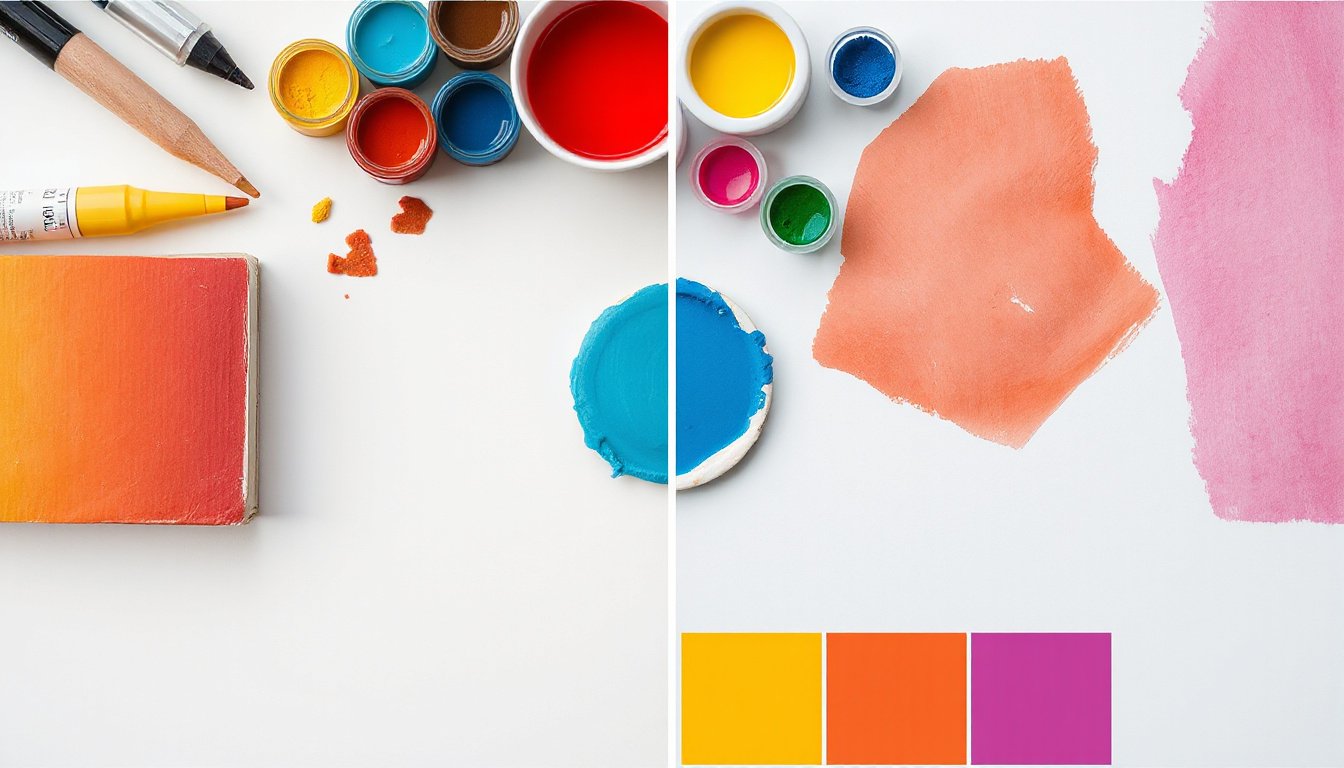
Color is a powerful communicator. It shapes how we perceive art, media, and even everyday digital content. Whether you are a creative professional crafting a masterpiece, a filmmaker setting the tone of a scene, or just an everyday user enjoying a video game or movie, color accuracy profoundly impacts your experience. In this article, we explore what color accuracy means, why it is essential across various fields, and how it influences our perception and interaction with visual content.

What is Color Accuracy?
Color accuracy refers to the ability of a display or device to reproduce colors faithfully — exactly as intended by the creator or as they appear in the real world. It is the measure of how closely the colors produced on a screen or print match the original reference colors.
When a display accurately renders a color red, for example, it shows the specific shade of red the original image uses, preserving all subtleties and nuances. Poor color accuracy means colors appear distorted, oversaturated, washed out, or shifted, leading to experiences that feel “off,” unnatural, or misleading.
A key way to quantify color accuracy is through a metric called Delta E (dE), which measures the difference between intended and displayed colors. Lower Delta E values indicate more precise color reproduction. Professionals generally aim for a Delta E value below 2, with values closer to 1 considered exceptional.
Why Does Color Accuracy Matter?
For Creative Professionals
Photographers, graphic designers, videographers, and other creatives rely heavily on color accuracy to ensure that their work appears consistent across different media and devices. Consider these examples:
- A photographer needs to edit images so that printed photos perfectly match the colors seen on their screen.
- A video editor must color grade footage to maintain mood and style as envisioned, ensuring that clients see the exact tones and hues intended.
- Graphic designers working with brand colors need precise color matching to maintain consistency, especially when transferring digital designs to print.
Without accurate colors, creators risk producing work that looks different in final formats, leading to wasted time, frustration, and compromised artistic integrity.
For Filmmaking and Visual Storytelling
Color is a critical storytelling tool in movies and video content, shaping atmosphere, mood, and emotional response. From the warmth of a sunset to the cold tones of a thriller, color palettes guide viewers’ feelings and interpretations.
Color inaccuracies — such as unwanted blue or yellow tints — can distort the artistic vision and diminish immersion. For home theater enthusiasts and cinemas, projectors and displays with high color accuracy ensure the movie is experienced as the director intended, preserving the cinematic artistry.
For Gamers and Everyday Users
While gamers often prioritize speed and responsiveness in displays, color accuracy adds a layer of realism and depth. Accurate colors enhance textures, lighting, and subtle effects in game environments, making gameplay more engrossing and visually stunning.
Even casual users benefit: watching movies, browsing photos, or viewing websites looks better when skin tones are natural, whites are balanced, and images retain true hues. Poor color reproduction can subconsciously reduce enjoyment and visual comfort.
Beyond Color Gamut: The Full Picture of Color Reproduction
Understanding color accuracy also involves grasping the concepts of color gamut and color space.
- Color Gamut is the range of colors a device can display.
- Color Space is a standardized set of colors used as a reference (e.g., sRGB, Adobe RGB, DCI-P3).
A wide color gamut covering a significant portion of a color space is necessary but not sufficient for color accuracy. A display might cover 100% of sRGB yet fail to accurately reproduce those colors if improperly calibrated.
Professional color accuracy requires precise calibration to ensure the display correctly maps digital color data to visible colors. This means devices with broad color gamut but poor calibration might still show inaccurate colors.
Factors Affecting Perceived Color Accuracy
Several external factors influence how accurate colors appear:
- Ambient Lighting: The room lighting’s brightness and color temperature can alter perception. Bright or colored lights may wash out or shift on-screen colors.
- Screen Technology: Different display panels (IPS, OLED, VA, TN) vary in how consistently and accurately they show colors. IPS and OLED panels are generally superior for color fidelity.
- Viewing Angles: Some displays lose accuracy and saturation when viewed off-center.
- Calibration and Maintenance: Regular calibration using colorimeters helps maintain accuracy over time.
- Surroundings: The colors of room walls, monitors, and reflection can subtly impact how colors are perceived.
Conclusion
Color accuracy is an indispensable element of visual communication and artistic expression. It ensures that creators’ intentions are faithfully conveyed and viewers receive rich, authentic visuals free from distortion or unintended hues.
From professional workflows requiring exactness to everyday entertainment seeking immersive realism, color accuracy elevates the quality and effectiveness of digital content and media. Understanding this crucial metric empowers users to make informed choices about displays and enables creators to craft compelling visuals with confidence.
For a truly enriched visual experience, investing in color-accurate devices and mindful viewing practices makes all the difference—because in color, precision is everything.