





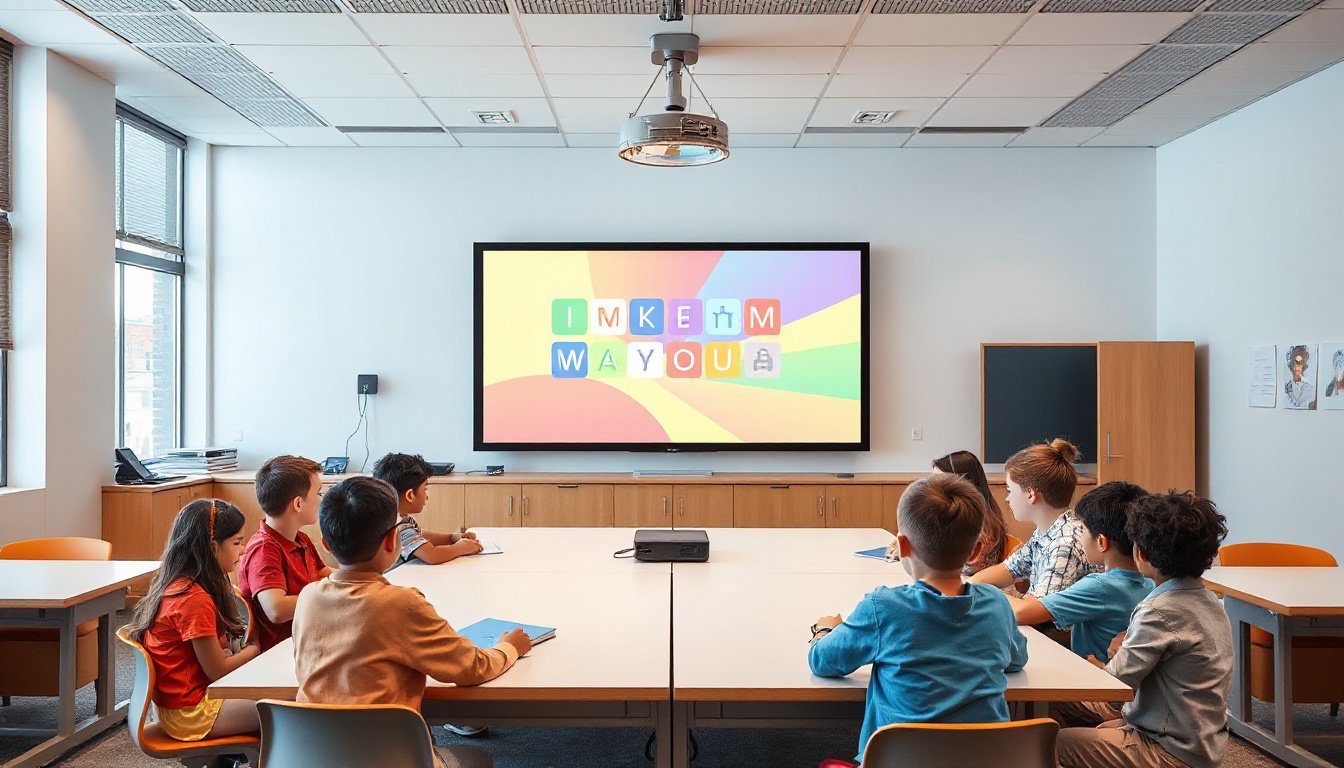
In recent years, the role of projectors in classrooms has evolved significantly, shaping how educators deliver content and how students engage with learning material. Moving beyond mere image display, modern classroom projectors serve as dynamic tools that enhance interactivity, collaboration, and immersion, making education more effective and engaging. This article explores the multifaceted benefits of using projectors in educational settings, highlights the challenges involved, and underscores their transformative potential in classrooms and broader campus environments.
The Evolution of Classroom Projectors
Traditionally, projectors have been used to display static images such as slides, diagrams, or videos to large groups. However, advancements in projector technology have revolutionized this role. Today’s interactive projectors allow students and teachers to engage with content directly on projected surfaces, transforming passive lessons into active learning experiences. These technologies blend visual, tactile, and collaborative learning methods, catering to diverse student needs and fostering deeper understanding.
Key Benefits of Using Projectors in Classrooms
1. Fostering Interactive and Collaborative Learning
Interactive projectors offer shared digital workspaces where multiple students can simultaneously participate. By projecting onto walls, tables, or floors, these devices facilitate group brainstorming, co-creation, and problem-solving in real-time. This collaborative environment motivates students to contribute regardless of their usual participation levels, nurturing a sense of community and shared ownership of knowledge.
2. Enriching Visual Learning with Multimedia Content
Visual learning is crucial across many subjects, such as science, geography, and art. Classroom projectors bring lessons to life by projecting high-quality videos, 3D simulations, and vivid imagery. For example, teachers can display detailed solar system models or cultural documentaries, helping students grasp complex or abstract concepts more easily and retain information better.
3. Creating Immersive Learning Environments
Newer projector models transform any classroom surface into an interactive experience that captivates students. This multisensory engagement goes beyond traditional methods, enabling learners to actively explore virtual environments and educational games. The immersive quality deepens comprehension, stimulates curiosity, and enhances the overall enjoyment of learning.
4. Seamless Integration with Modern Teaching Practices
Whether through flipped classrooms, peer instruction, or team-based learning, projectors complement and amplify interactive teaching strategies. Educators can display collaborative documents, interactive quizzes, or student presentations directly on shared surfaces, enriching the learning process without requiring extensive technical adaptation.
5. Support for Hybrid and Remote Learning
As education increasingly incorporates hybrid models, projectors facilitate clear, high-quality visuals for both in-person and remote students. Recorded or live-streamed lessons ensure that learners outside the physical classroom also receive immersive content. Projectors can also enable teachers to annotate content live, ensuring clarity and engagement across learning modes.

Challenges and Considerations
While projectors offer numerous advantages, educators and institutions should be aware of certain challenges:
-
Projection Surfaces: Not all classrooms have dedicated or suitable surfaces for projection. Traditional systems often require special screens, which can be costly and limit flexibility. However, innovative projectors now can project onto virtually any flat surface, including walls, floors, and tables, reducing these constraints.
-
Equipment Handling: Older projector models can be bulky, difficult to install, and hard to move between rooms. Modern projectors tend to be lightweight, portable, and user-friendly, simplifying setup and use.
-
Software Compatibility: Ensuring that projector systems work seamlessly with educational software and curriculum needs requires careful planning. Integrated platforms that offer turnkey solutions are increasingly available to address this issue.
Expanding Applications Beyond the Classroom
Projectors also play a vital role in enriching broader campus experiences:
-
Auditoriums and Events: Projection technology can enhance performances, presentations, and ceremonies with vibrant visuals and virtual backdrops, enhancing audience engagement and streamlining event setup.
-
Gyms and Cafeterias: Projectors can transform everyday spaces by displaying motivational graphics on game days or creating dynamic atmospheres during lunch hours.
-
Immersive Training Labs: Higher education institutions use projection combined with simulation environments to train medical students, first responders, and other professionals in realistic scenarios, improving practical skills through immersive experiences.
-
Common Areas and Campus Culture: Hallways, lobbies, and student centers benefit from projection displays that showcase student work, announce events, or refresh campus aesthetics, fostering a connected and vibrant community.
Conclusion
Projectors have transcended their traditional role, becoming essential tools that enhance interaction, collaboration, and immersion in education. By integrating advanced projection technologies into classrooms and campus spaces, educators can create engaging, dynamic learning environments that appeal to diverse student needs and learning styles. Despite some challenges, modern projectors’ flexibility, ease of use, and multimedia capabilities make them invaluable assets for today’s educational institutions seeking to enrich student experiences and outcomes.
As schools continue to innovate, investing in projector technology is a forward-thinking step toward fostering more effective and inspiring learning environments for all students.