





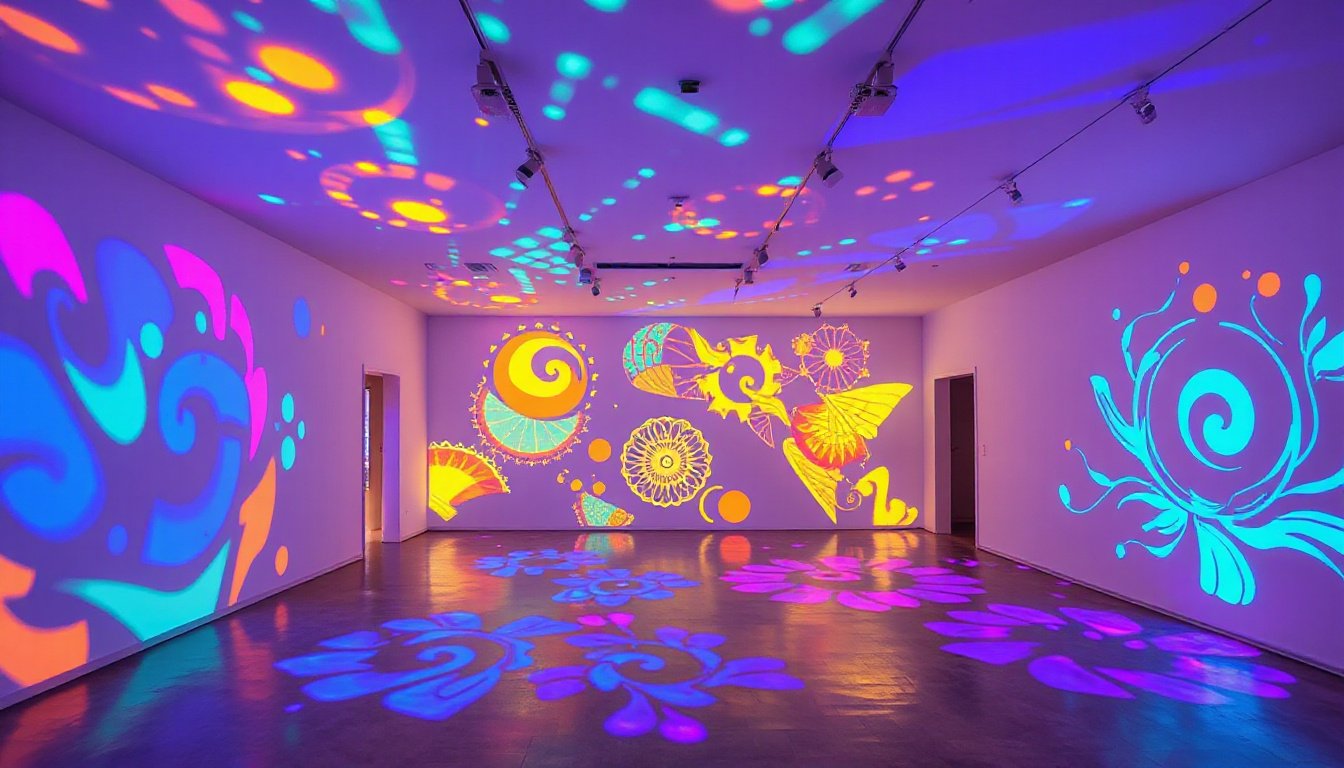
In contemporary art, projectors have emerged as a dynamic tool, revolutionizing how artists conceive and present their work. Using projectors for art installations enables creators to transform spaces, surfaces, and objects into vibrant, interactive canvases that blur the boundaries between light, shadow, and form. This article explores the innovative use of projectors in art, offering insights into types, techniques, equipment considerations, and practical tips for artists eager to harness the power of projection in their installations.
Understanding Projection Art in Installations
Projection art refers to using light and video projections to create visually captivating works that interact with the physical environment. It extends beyond simple image projection by leveraging advanced technology such as projection mapping — a process of aligning projected visuals meticulously onto irregular surfaces or objects, resulting in immersive experiences that are both spatially and visually engaging.
Types of Projection in Art
- Video Projection: Utilizing pre-recorded or live video content to add dynamic storytelling elements or moving imagery onto a given surface.
- Light Art: Manipulating light and darkness to sculpt perceptions within a space, enhancing textures and shadows.
- Digital & Interactive Art: Combining 2D/3D graphics and animations, often paired with sensors and software, to create responsive installations that invite viewer interaction.
Choosing the Right Projector for Art Installations
Selecting an appropriate projector is fundamental. Several key features influence the success and impact of a projection art installation:
-
Projection Angle and Lens: For ease of alignment, projectors that project the image straight out from the lens (often called a "standard throw" lens) are preferable, especially when precise placement is critical, such as inside translucent or tubular structures. Avoid models that project at an upward or oblique angle, as this may complicate geometry and require unsatisfactory digital keystoning corrections.
-
Brightness (Lumens): Depending on installation size and ambient lighting, brightness requirements fluctuate. For smaller indoor installations, projectors with a moderate lumen output suffice, while large-scale outdoor projections demand projectors with 10,000 lumens or more.
-
Resolution: Higher resolution projectors ensure crisp, detailed images critical to immersive works.
-
Form Factor and Portability: Compact projectors are often necessary for installations with spatial constraints or mobile setups.
-
Budget: Effective projectors for modest-scale art installations can range within an $800 budget, focusing on balance between features and cost.
Projection Mapping: Bringing Art to Life

Projection mapping is a cornerstone technique that allows digital artists to harmonize their visuals with the distinct shapes and contours of an installation surface. This involves:
- Surface Preparation: Creating a 3D model of the space or object using scanning or manual modeling.
- Content Alignment: Importing this model into specialized software to adjust visuals precisely onto the physical object.
- Blending and Masking: Utilizing software tools to mask unwanted areas and blend visuals seamlessly, especially when multiple projectors are involved.
Prominent software packages in this field include HeavyM, TouchDesigner, and Resolume Arena, each offering robust tools for 3D import, real-time effects, and multi-projector setups.
Enhancing Viewer Engagement and Interaction
The power of projection art lies not only in visual spectacle but also in audience immersion. Interactive installations employ technologies like motion sensors, cameras, and sound responsiveness to enable visitors to influence or participate in the artwork. This interactivity can intensify emotional resonance and create personalized experiences.
Examples range from installations where viewers’ movements alter projected visuals to complex AI-driven projections that react to environmental data, offering a fusion of artistic expression and technology.
Practical Tips for Artists Using Projectors in Installations
-
Straight Projection Alignment: When the installation requires images to be projected straight out (e.g., into transparent tubes or small cavities), seek projectors described with “short throw” or “standard throw” lenses. Avoid those with fixed upward tilt angles to prevent distortion.
-
Test Projection Geometry: Always test the physical projection in your intended space to preempt keystone distortion, adjusting projector positioning before relying on digital correction.
-
Account for Ambient Light: Bright environments can wash out projections. Opt for powerful projectors or install in dimmer settings.
-
Use Multiple Projectors Strategically: For immersive or large installations, edge blending multiple projectors increases coverage and resolution but requires precise calibration and software support.
-
Incorporate Software Effects: Explore real-time visual effects, audio-reactive elements, or sensor-driven changes to elevate the interactivity of your installation.
Applications and Inspirational Examples
Projection art installations have been employed in diverse contexts, such as:
- Public Art: Transforming building facades into moving canvases that tell stories or celebrate cultural themes.
- Museums and Galleries: Animating static art or environments, creating educational and engaging experiences.
- Nature and Landscape: Projecting onto natural surfaces like trees, rocks, or mountains, blending technology with natural textures.
- Live Events: Enhancing concerts, festivals, and performances with audiovisual projections that sync with the event dynamics.
Artists such as the collective teamLab and Refik Anadol exemplify pushing boundaries by merging data, light, and environment into mesmerizing installations.
Final Thoughts
Projectors offer artists a potent medium to extend creative boundaries, transforming familiar spaces into immersive, multi-dimensional art environments. Through careful selection of equipment, mastery of projection mapping, and embracing interactive technologies, artists can craft captivating narratives that resonate deeply with audiences.
Whether you’re projecting inside translucent tubes or enveloping entire urban landscapes, understanding the nuances of projector technology and installation techniques will illuminate your creative journey and expand the horizons of contemporary art.
By integrating projector technology into your art installations thoughtfully, you can create inspiring experiences that captivate, engage, and transform the way audiences perceive space and light.