





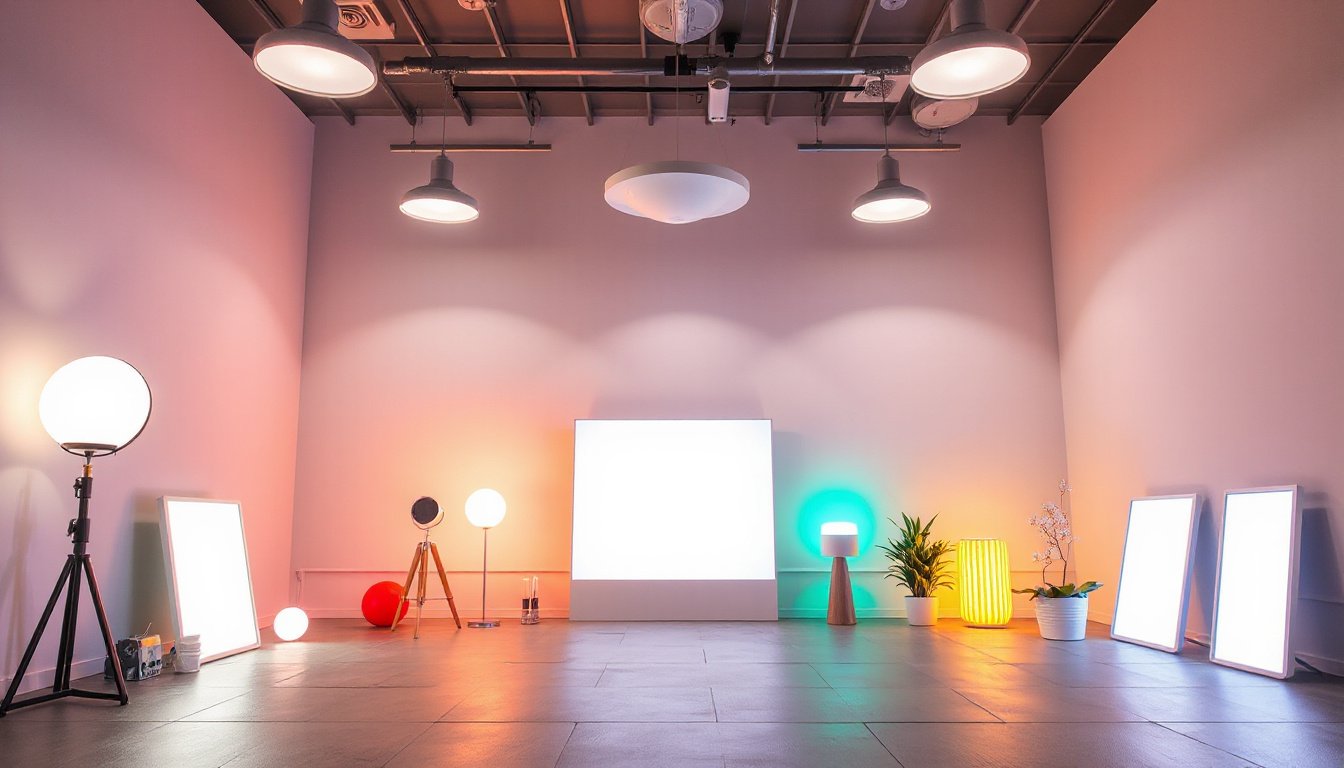
In the realm of modern lighting technology, Light Emitting Diodes (LEDs) have emerged as a revolutionary light source, transforming how we illuminate homes, workplaces, and public spaces. From their humble beginnings as low-intensity indicator lights to versatile, high-efficiency illumination devices, LEDs offer remarkable advantages and continue to evolve through ongoing innovations. This article explores the fundamental nature of LEDs, their benefits, and the technological progress shaping the future of lighting.
Understanding LED Light Sources
A light-emitting diode (LED) is a semiconductor device that emits light when an electric current passes through it. Unlike traditional incandescent bulbs, LEDs generate light through electroluminescence—a process where electrons recombine with electron holes in the semiconductor material, releasing energy as photons. The color of the emitted light depends on the semiconductor’s band gap energy, enabling LEDs to produce a wide spectrum of colors ranging from infrared and visible light to ultraviolet.
White light emission from LEDs is typically achieved in two key ways: by combining red, green, and blue LEDs (RGB systems) or by using phosphor coatings that convert monochromatic light into broad-spectrum white light. These methods have allowed LEDs to become viable sources for general illumination, replacing older lighting technologies in many applications.
Advantages of LED Light Sources
LEDs boast numerous benefits over conventional incandescent and fluorescent light sources:
-
Energy Efficiency: LEDs consume significantly less power to produce the same amount of light. Their high luminous efficacy translates into substantial electricity savings and reduced environmental impact.
-
Long Lifespan: The operational life of an LED can span tens of thousands of hours, far exceeding that of incandescent bulbs. This durability reduces maintenance and replacement costs.
-
Physical Robustness: LEDs are solid-state devices with no fragile filaments or glass enclosures, making them resistant to shock, vibration, and external impacts.
-
Compact Size: Their small form factor enables versatile designs, from tiny indicator lights to large-scale LED panels and strips, enhancing integration possibilities.
-
Rapid Switching: LEDs can turn on and off almost instantaneously without warm-up time, making them ideal for applications requiring precise control and signaling.
-
Environmental Friendly: LEDs contain no hazardous materials such as mercury, commonly found in fluorescent lamps, and their efficiency contributes to lower carbon emissions.
Innovations Driving LED Technology

The LED industry has witnessed several technological breakthroughs that have expanded their application scope:
-
Blue and White LEDs: The invention of blue LEDs in the early 1990s unlocked the ability to produce bright white light by combining it with red and green or using phosphors. This advancement earned Nobel Prizes and has been instrumental in LED general lighting.
-
Ultraviolet LEDs: LEDs emitting ultraviolet light are increasingly used for sterilization, disinfection, and specialized industrial applications due to their germicidal properties and precise wavelength control.
-
Organic LEDs (OLEDs): OLED technology utilizes organic compounds to emit light, enabling flexible, thin, and efficient displays and lighting panels with high color quality.
-
High-Power LEDs: These LEDs provide intense light output suitable for automotive headlamps, street lighting, and stage lighting, replacing traditional high-intensity discharge lamps.
-
Smart and Tunable Lighting: Integration with sensors and smart controls allows LED systems to adjust brightness and color temperature dynamically, enhancing energy savings and user comfort.
Common Applications of LED Light Sources
The versatility of LED technology spans a broad range of sectors:
-
General Lighting: Residential, commercial, and industrial lighting increasingly employ LEDs for energy savings and improved illumination quality.
-
Indicators and Signals: From traffic lights to device status indicators, LEDs provide bright, reliable signaling with low power consumption.
-
Displays: Large digital billboards, television screens, and smartphones utilize LEDs for vivid visuals with high efficiency.
-
Automotive Lighting: LEDs contribute to safer, more efficient headlights, brake lights, and interior lighting.
-
Medical and Biological: LEDs are used in surgical lighting, phototherapy, and biological detection technologies due to their precision and controllability.
-
Horticultural Lighting: Tailored LED spectra promote plant growth and yield in controlled environments.
Considerations in LED Usage
While LEDs offer many advantages, there are certain practical aspects to consider:
-
Power Requirements: LEDs generally operate on low-voltage direct current (DC) power, necessitating compatible drivers and power supplies when connected to alternating current (AC) mains.
-
Heat Management: Maintaining optimal operating temperatures is critical, as excessive heat can degrade LED performance and lifespan.
-
Light Quality: Not all LEDs emit the same light spectrum; selection depends on application needs such as color rendering and intensity.
Conclusion
LED light sources represent a paradigm shift in lighting technology, delivering efficient, durable, and versatile illumination solutions. Their ongoing evolution heralds smarter, more sustainable lighting systems that illuminate our world with unprecedented efficiency and quality. As research continues to improve their efficacy and expand their capabilities, LEDs are poised to remain at the forefront of lighting innovation for years to come.