





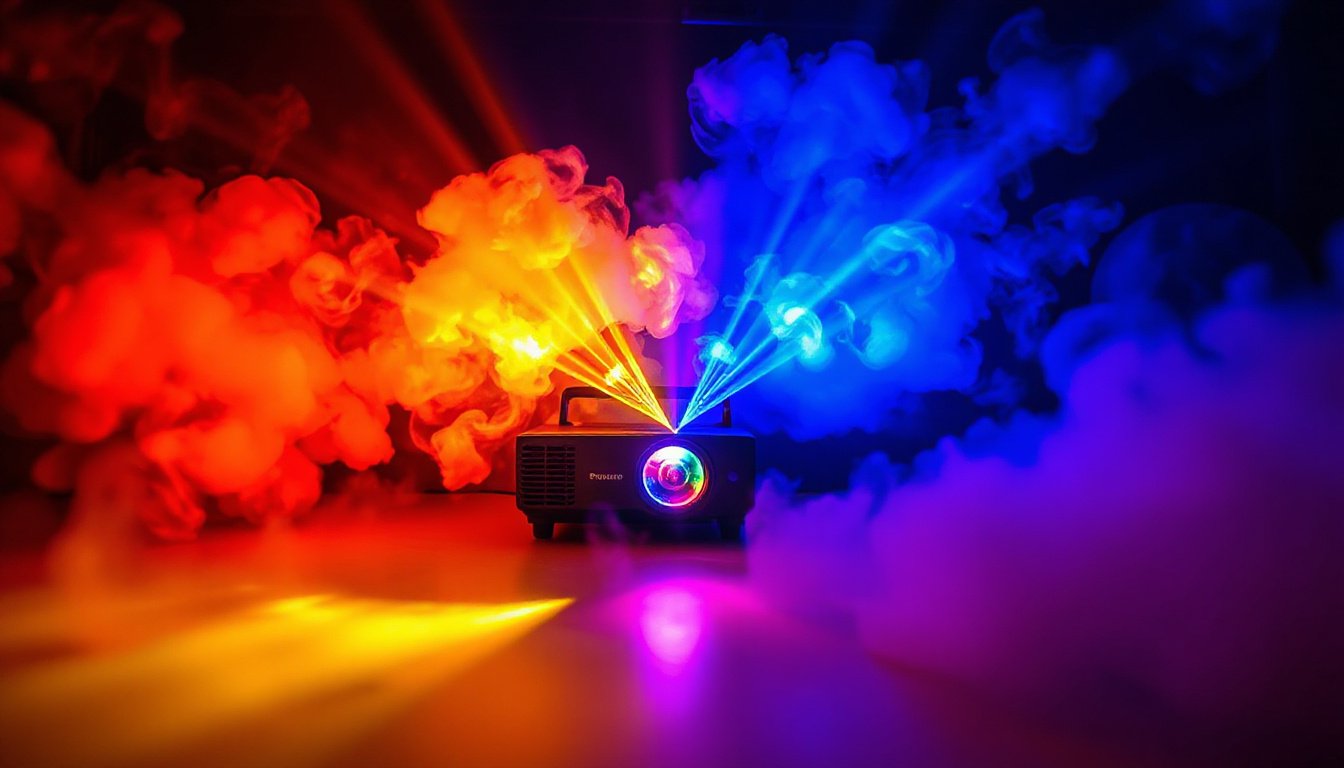
Projectors create immersive and dynamic experiences whether in theaters, live events, or home setups. When combined with atmospheric effects like smoke or haze, they can deliver striking visuals that captivate audiences. However, using smoke or haze around projectors brings important technical considerations. Smoke particles, haze fluid residue, and airborne contaminants can affect projector performance and longevity unless properly managed. This guide explores the use of projector smoke filters—why they matter, how they work, and best practices to harness smoke effects safely for breathtaking projection visuals.
Understanding the Interaction Between Projectors and Smoke/Haze
Many venues and productions employ haze or smoke machines to enhance light beams and camera effects, enriching the atmosphere. While aesthetically powerful, these effects introduce airborne particles that projectors inevitably inhale through their cooling systems.
- Residue Build-Up: Smoke and haze fluids, particularly oil-based ones, leave residue inside the projector’s optical engine and on cooling components. Over time, this can cause dimming, blurred images, and increased dust accumulation by making surfaces sticky.
- Heat and Damage: Projectors generate significant heat, and the combination of smoke particles and heat can accelerate damage to sensitive parts like LCD panels or filters.
- Technology Differences: Certain projector technologies respond differently:
- DLP projectors with sealed optics tend to be more resistant to smoke and haze residue.
- LCD projectors can suffer from “burn-in” of their panels exacerbated by dust and residue.
- Laser projectors often incorporate sealed or liquid-cooled systems, reducing intake of contaminated air and thus are typically more immune to these effects.
What Are Projector Smoke Filters?
Projector smoke filters are specialized air filters designed to be installed at the air intake points of compatible projectors. Their purpose is to:
- Block Contaminants: Prevent particles from smoke, haze, dust, and pollution from entering the internal optics and cooling chambers.
- Preserve Image Quality: By reducing residue build-up and minimizing dust, these filters help maintain sharpness and brightness over time.
- Extend Equipment Life: Cleaner internal environments reduce wear on fans, lamps, or laser modules and prevent premature failure.
For example, Barco offers smoke filter upgrade kits for their FL40/FS40 projector series that detect installation automatically and provide optimized air filtration.

Benefits of Using Smoke Filters with Projectors
- Maintained Brightness and Clarity: Reduced film of residue on lenses and internal optical components keeps projected images crisp and vibrant.
- Reduced Maintenance Intervals: With less dust and particulate accumulation, cleaning and servicing needs decrease.
- Protection Against Environmental Factors: In venues or environments where smoke, haze, or pollution is regularly present, filters act as an essential barrier.
- Cost Savings: Preventing damage and extending projector life improves return on investment and delays expensive repairs or replacements.
Best Practices for Using Projector Smoke Filters
1. Choose the Right Filter for Your Projector Model
Check manufacturer recommendations for compatible filter kits. Some projectors come with optional or built-in filtration designed specifically for their intake systems.
2. Verify Projector Technology and Cooling Type
- Sealed optics and minimal fan airflow (common in some laser projectors or high-end DLPs) reduce smoke infiltration naturally.
- Traditional lamp-based projectors with fan cooling benefit most from external filtration since they draw air continuously through their internals.
3. Regularly Inspect and Replace Filters
Filters have a finite lifespan and can become clogged. Replace filters according to manufacturer schedules or sooner if operating in heavy smoke/haze environments.
4. Consider Enclosures and Additional Air Filtration
For extremely smoke-heavy settings (nightclubs, houses of worship with frequent haze use):
- Use projector enclosures with clean, filtered air supply.
- Install additional smoke or air purifiers near the projector intake.
5. Maintain Routine Cleaning
Even with filters, periodic cleaning of projector surfaces and optics prevents optical degradation. Follow manufacturer instructions to avoid damaging sensitive parts.
Additional Tips for Safe Smoke Use Around Projectors
- Avoid Oil-Based Haze: Water-based haze tends to be less damaging than oil-based varieties.
- Manage Timing: Ideally, do not run projectors simultaneously with haze or smoke machines. Apply effects before or after projection hours.
- Positioning: Place projectors away from direct smoke streams to reduce immediate exposure to airborne particles.
- Lens Protection: Consider using transparent lens covers or films that can be swapped if residue accumulates—ensure they do not distort image quality.
Addressing Common Concerns from Users
Q: Is smoke damaging if it passes through or contacts the lens?
A: Yes. Residue can build up on lens surfaces, causing image dimming or blur. This residue can also capture dust, making the problem worse over time.
Q: Are sealed DLP projectors immune to smoke damage?
A: While sealed DLP engines resist dust and smoke ingress better, no projector is entirely impervious. Optimal use includes filtration and maintenance.
Q: Can smoke filters be retrofitted?
A: Many manufacturers offer smoke filter upgrade kits for popular models, but professional consultation is advised.
Conclusion
Using smoke filters with projectors is essential for anyone wanting to combine atmospheric haze or smoke effects with crystal-clear, long-lasting projection visuals. Filters protect delicate optics and cooling systems from particulate contamination that dulls images and damages internal components over time. By selecting appropriate filters, maintaining them regularly, and adhering to best practices for smoke usage, you can dramatically enhance your visual effects experience without compromising your equipment.
Investing in smoke filtration means investing in the longevity and quality of your projection system, ultimately allowing you to deliver stunning, immersive visuals every time.
For additional technical specifics and product options, consult your projector manufacturer or specialized vendors to find the best smoke filter solution tailored to your projector model.