





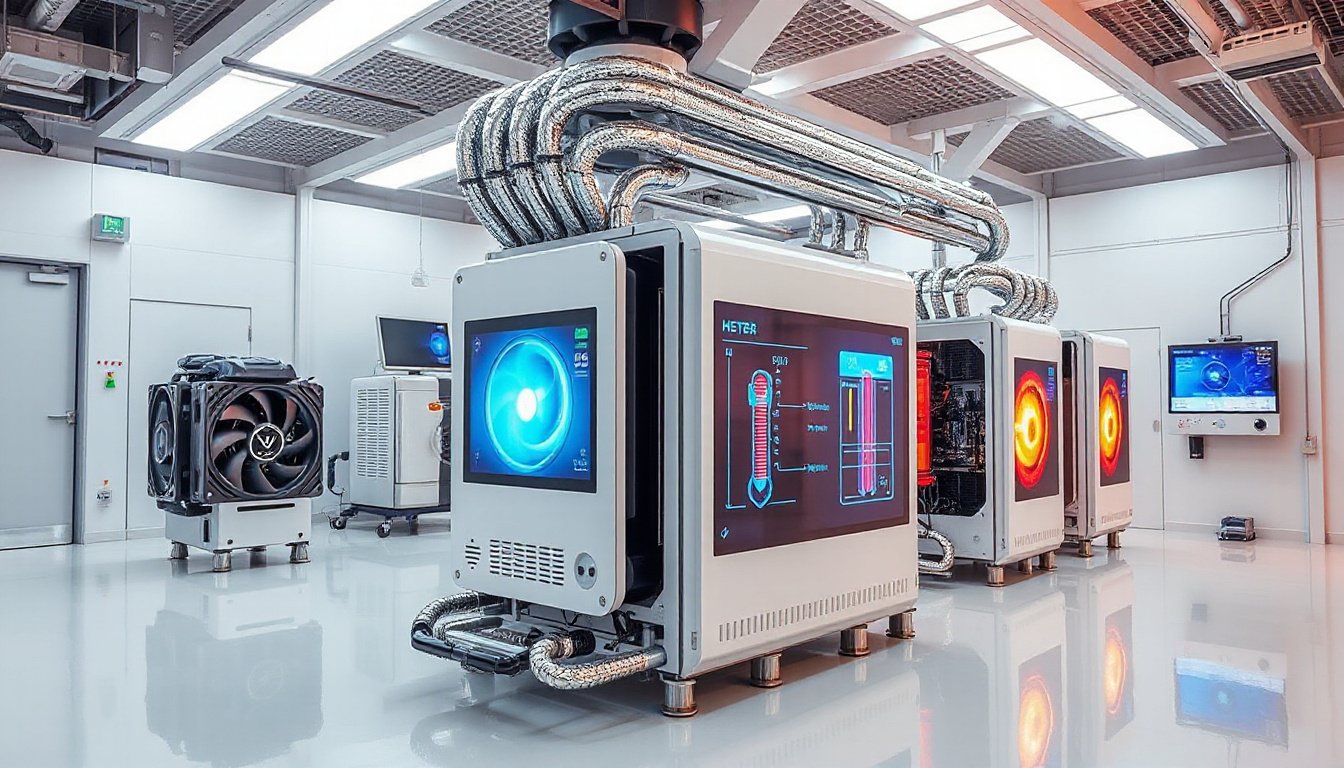
Heat dissipation is a critical aspect of modern electronic and industrial systems, directly impacting the safety, reliability, and performance of devices. As technology advances and devices become more compact and powerful, managing the heat generated within them becomes increasingly challenging and essential. This guide delves into the fundamentals of heat dissipation systems, explains key mechanisms and materials, and explores advanced techniques to optimize thermal management for maximum efficiency.
Understanding Heat Dissipation
Heat dissipation refers to the process of transferring unwanted heat from an electronic device or system into its surroundings to prevent overheating. When electrical current passes through components such as semiconductors, heat is inevitably generated due to internal resistance. This heat, if not properly managed, can impair the device’s performance, reduce reliability, and even cause permanent damage.
Three primary mechanisms describe how heat dissipates:
- Conduction: The transfer of heat through solid materials—from the heat source (like a chip) to other parts of the device or heat sinks.
- Convection: The transfer of heat through the movement of fluids or gases, including air, around the device, carrying heat away from surfaces.
- Radiation: The emission of heat in the form of infrared waves from a hot surface to cooler surroundings.
Among these, conduction and convection are typically the most dominant heat dissipation paths in electronic packages.
Heat Dissipation in Semiconductor Devices
Semiconductor devices act like resistors generating heat proportional to the ON resistance and current flow. Efficient heat dissipation in these devices is paramount to maintain operating speeds and avoid failures such as smoke emission, fire, or irreversible damage.
Thermal design in semiconductor packages involves minimizing thermal resistance—the opposition to heat flow—and ensuring effective pathways for heat to travel from the semiconductor junction (chip) to the ambient environment.
Key Thermal Parameters
- Junction-to-Ambient Thermal Resistance (θja): Represents the overall resistance from the chip junction to the surrounding air, incorporating all heat paths.
- Junction-to-Case Thermal Resistance (θjc): Resistance between the chip and the package surface, useful when heat primarily exits through the case.
- Junction-to-Board Thermal Resistance (θjb): Resistance between the chip and the printed wiring board (PWB), important when heat is dissipated via the board.
Most heat (up to 90%) often dissipates through the PWB due to conduction and convection, making its design and material selection critical for heat management.
Thermal Dissipation Equation and Factors
A simple representation of heat dissipation is governed by the equation:
(Ti – Tu) = Qv / (k × A)
Where:
- Ti = Permitted internal temperature of the device
- Tu = Ambient temperature surrounding the device
- Qv = Heat load or watts to dissipate
- k = Heat transfer coefficient of the surface
- A = Surface area of the device enclosure or heat sink
From this, it’s evident that increasing surface area A, improving heat transfer coefficient k, and reducing heat load Qv or ambient temperature Tu facilitates better heat dissipation. Conversely, poor thermal dissipation can reduce the device’s operational lifespan by causing it to overheat.
Materials and Technologies Enhancing Heat Dissipation
Effective heat dissipation heavily depends on materials with high thermal conductivity and innovative system designs.
Common Thermal Management Materials:
- Metals: Copper and aluminum are most prevalent due to their excellent thermal conductivity.
- Thermal Interface Materials (TIMs): These include thermal grease, pads, and epoxies that improve heat transfer between components and heat sinks.
- Graphite Sheets: Lightweight materials providing good thermal spreading within limited space.
Advanced Heat Dissipation Components:

- Heat Sinks: Metallic structures with finned surfaces increase effective surface area to accelerate heat dissipation through convection.
- Heat Pipes and Vapor Chambers: Utilize phase change (evaporation and condensation) of internal working fluids to transfer heat efficiently. Vapor chambers, in particular, are thin-sheet heat spreaders ideal for compact, high-performance devices like laptops and mobile electronics.
- Fans and Forced Air Cooling: Enhances convective heat transfer by actively moving air over hot surfaces.
- Liquid Cooling Systems: Employ fluid circulation to absorb and transport heat, used increasingly even in consumer electronics to manage high thermal loads.
Heat Dissipation in Industrial and Compact Computer Systems
Industrial computers, especially fanless and rugged designs, rely heavily on advanced heat dissipation systems for stable operation in harsh environments. These systems integrate large heat sinks, flattop heat spreaders, and efficient airflow management to prevent thermal buildup while maintaining compact form factors.
Key considerations include:
- Optimizing internal airflow paths with strategic vent placements and component layout.
- Employing materials and enclosures that permit effective convection without compromising ruggedness or dust/water resistance.
- Balancing thermal management methods (conduction, convection, radiation) based on operational environments.
For example, fanless rugged PCs use flattop heatsinks combined with passive convection to maintain low operating temperatures without moving parts, thus improving reliability.
Best Practices for Maximizing Heat Dissipation Efficiency
- Design for Thermal Resistance: Identify and minimize thermal resistances in the heat flow path from chips to ambient.
- Maximize Surface Area: Increase the physical area available for heat transfer through fins, vapor chambers, or extended enclosures.
- Select High-Conductivity Materials: Use copper, aluminum, or advanced graphite materials wherever feasible.
- Implement Active Cooling if Necessary: Integrate fans or liquid cooling for high-power devices where passive methods fall short.
- Ensure Adequate Ventilation: Design enclosures with optimized air vents and pathways to facilitate convective cooling.
- Manage Ambient Conditions: Place devices in cooler environments or enclosures that help maintain a lower ambient temperature.
- Apply Proper Thermal Interface Materials: Use TIMs to fill microscopic air gaps and enhance conduction between components and heat sinks.
- Regular Maintenance: Clean dust and debris that could block airflow and degrade heat dissipation over time.
Conclusion
Advanced heat dissipation systems are vital to maintaining the integrity and performance of electronic and industrial devices. By understanding the mechanisms of heat transfer, utilizing efficient materials, and applying smart design principles, thermal management can ensure longer device life, higher reliability, and optimized operation. As electronics continue to evolve, the continuous development and integration of innovative heat dissipation technologies such as vapor chambers, enhanced heat sinks, and liquid cooling will be indispensable in meeting the challenges of thermal control in compact and high-power systems.
References:
- Renesas Electronics Corporation, "Heat-dissipation Mechanism," Technical Support Documentation.
- DNP Dai Nippon Printing, "Basics of Thermal Dissipation: Definition, Mechanism, and Equation Explained."
- Neousys Technology, "Why Heat Dissipation is Important to Industrial Computer Stability."
This article provides an in-depth understanding of heat dissipation for engineers, designers, and technology enthusiasts aiming to optimize thermal management systems across various applications.