





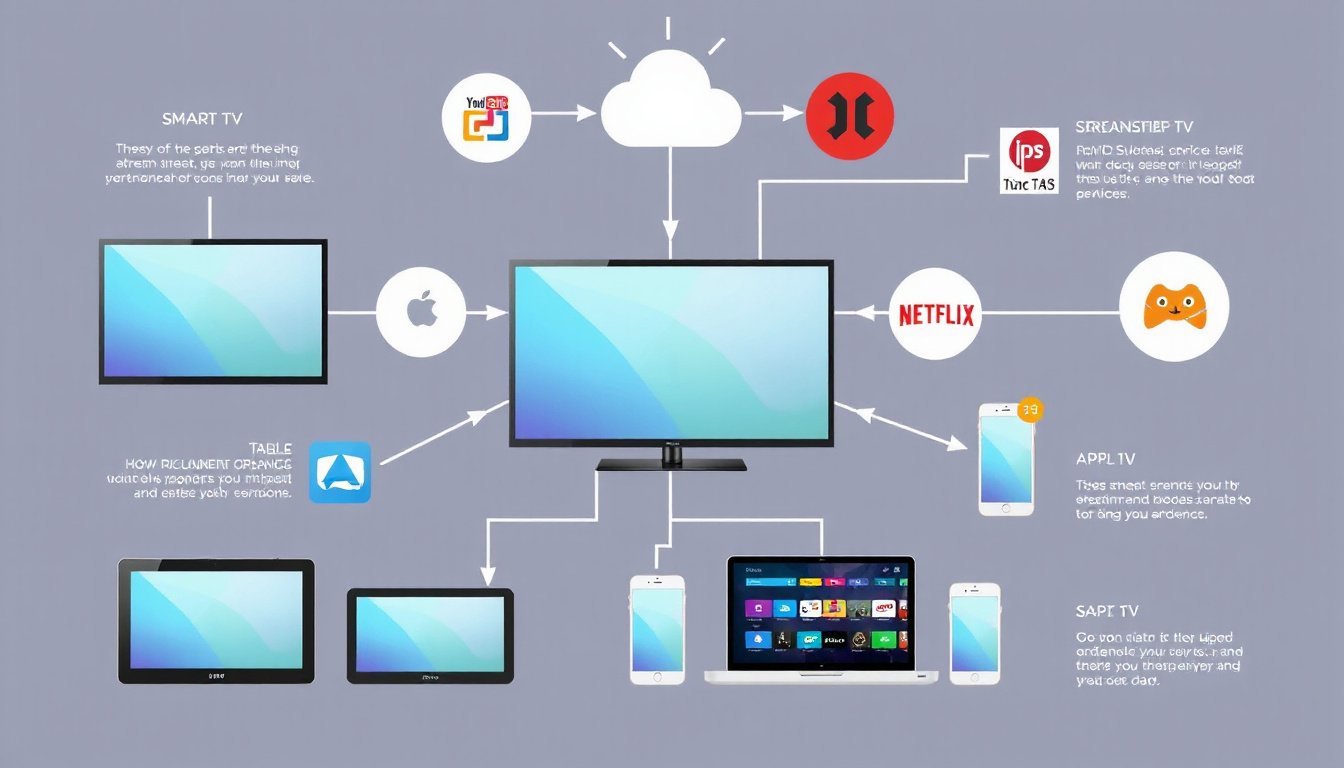
In the evolving world of digital entertainment, streaming services have become an essential part of our daily lives. Whether you’re binge-watching your favorite series, catching a live sports event, or enjoying movies on demand, streaming platforms have transformed how and where we consume content. Central to this revolution is the concept of compatibility with streaming devices—the crucial feature that allows smooth access to streaming services across a multitude of gadgets. This guide delves into what device compatibility means, why it matters, and how it shapes your viewing experience today and into the future.
Understanding Compatibility with Streaming Devices
Device compatibility refers to the ability of a streaming service or app to function seamlessly across various hardware platforms such as smart TVs, smartphones, tablets, laptops, gaming consoles, and streaming media players. The goal is for users to enjoy consistent, high-quality content regardless of the device they use, enabling effortless switching between screens without losing progress or encountering functionality issues.
Common Compatible Devices
Popular streaming platforms, like Netflix, support a wide range of devices, including but not limited to:
- Smart TVs and TV Streaming Devices: Samsung, LG, Vizio, Sony, TCL, Hisense, Philips, and streaming players such as Roku, Amazon Fire TV/Stick, Apple TV, and Chromecast.
- Mobile Phones and Tablets: Android devices, iPhones, iPads, Amazon Fire tablets, and Windows tablets.
- Computers: Mac, Windows PCs, Chromebooks via supported browsers or native apps.
- Gaming Consoles and AR/VR Devices: PlayStation, Xbox, Apple Vision Pro, Meta Quest headsets.
- Cable and Satellite Boxes: Many internet and cable providers embed streaming apps within their set-top boxes.

It is important to note that some older devices, particularly those made before 2015, might no longer support newer streaming apps.
Why Compatibility with Streaming Devices Matters
1. Seamless Viewing Experience Across Devices
Users increasingly start viewing content on one device and continue on another. For example, you might begin watching a show on your smart TV, pause it, and later resume playback on your smartphone or tablet. This seamless transition—known as multi-device compatibility—is crucial for modern viewers who expect flexibility and uninterrupted entertainment.
2. Meeting Diverse User Ecosystems
Different viewers use various operating systems and device ecosystems, such as Android, iOS, Fire TV, Roku, or gaming consoles. Streaming services must optimize interfaces to accommodate diverse screen sizes, input methods (touch, remote, or controller), and OS-specific features for a consistent and user-friendly experience across the board.
3. Enhancing Content Personalization and User Engagement
When a streaming platform tracks viewing habits and preferences across devices, it enables advanced personalization using Artificial Intelligence (AI). Knowing where users pause, skip, or stop watching on any device allows the platform to recommend content more accurately, keeping users engaged longer and boosting subscription retention.
4. Brand Consistency and Trust
A uniform user interface (UI) and experience on every device reinforce the streaming service’s brand identity. Consistency in design elements, navigation, and playback behavior helps build user trust and presents a polished, professional image, which is vital in a competitive streaming market.
5. Future-Proofing Streaming Services
As new devices enter the market—wearables, in-car entertainment, ultra-large displays—designing streaming services with robust device compatibility ensures platforms can adapt without costly overhauls. Flexibility in technology and UI scaling prepares providers for tomorrow’s innovations.
How Streaming Platforms Achieve Multi-Device Compatibility
Adaptive Bitrate Streaming (ABR)
ABR technology automatically adjusts video quality in real-time based on the viewer’s internet speed and device capability, ensuring smooth playback without buffering. Whether streaming on a 4K smart TV or a low-data mobile phone, viewers enjoy optimal quality.
Device Detection and UI Optimization
Smart platforms detect the device type and tailor their UI to fit the screen size and input method. Mobile devices feature touch-friendly controls and simplified navigation, while smart TVs offer an interface designed for remote control.
Digital Rights Management (DRM) and Authentication
To protect premium content and respect licensing agreements, streaming services implement security measures like DRM and robust user authentication. These systems ensure authorized access across devices while maintaining ease of login and playback continuity.
Cloud-Based Session Management
Streaming platforms store user sessions on the cloud, not just on individual devices. This backend infrastructure remembers where you left off, your watchlist, and personal preferences, all synced in real time across devices.
Tips for Users: Ensuring Your Devices are Streaming-Ready
- Check Device Compatibility: Verify that your device supports the streaming service’s app by visiting official help centers or manufacturer websites.
- Keep Software Updated: Regular firmware and app updates improve compatibility and security.
- Internet Connection: Ensure stable internet speeds suitable for streaming—most services provide minimum speed recommendations.
- Use Official Apps: Download the streaming service’s app from verified app stores for better performance.
Future Trends in Streaming Device Compatibility
Looking ahead, streaming will expand beyond traditional devices into augmented reality (AR), virtual reality (VR), and connected vehicles, requiring even more sophisticated compatibility solutions. Progress in AI will further personalize viewing experiences, and advances in cloud technology will enable instant content access from any device, anywhere.
Conclusion
Device compatibility is no longer an optional feature—it is the backbone of a superior streaming experience in today’s multi-screen world. Whether on a smart TV in your living room, a phone on a commute, or a tablet in bed, robust support across devices ensures uninterrupted entertainment, personalized engagement, and brand loyalty. Understanding how compatibility works and its growing importance empowers viewers to get the most from their streaming subscriptions while helping providers create platforms that thrive in an increasingly connected world.
Embrace the future of effortless entertainment by choosing services and devices designed with compatibility at their core—unlock seamless entertainment like never before.