





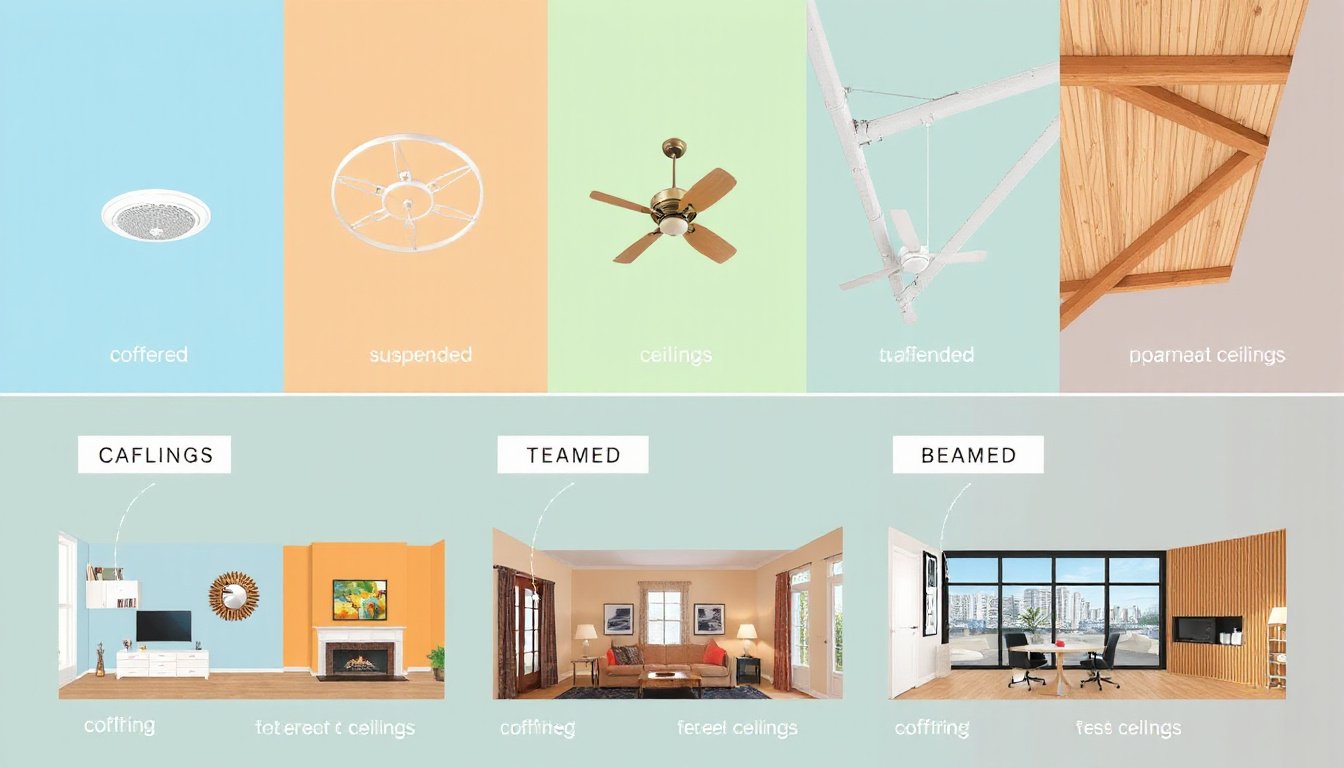
Selecting the right ceiling installation type is essential to enhance both the functionality and aesthetic appeal of any room. Whether you are upgrading lighting fixtures, installing new ceiling fans, or simply renovating your space, understanding different ceiling installation options helps ensure your project runs smoothly and safely. This comprehensive guide will explain common ceiling installation types, their applications, and tips for safe, effective installation.

Common Ceiling Installation Types
1. Surface-Mounted Ceilings
Surface mounting involves attaching fixtures directly onto the ceiling’s surface. This method is straightforward and compatible with various fixtures such as pendant lights, ceiling lamps, and flush mounts.
- Best for: Rooms with standard ceiling heights, where fixtures do not intrude on headspace.
- Advantages: Easier installation; accessible for maintenance.
- Considerations: May not suit low ceilings where a flush or recessed option is preferable.
2. Flush-Mounted Ceilings
Flush-mount fixtures sit directly against the ceiling without any gap. These installations offer a clean, minimalist look.
- Best for: Rooms with low to standard ceiling heights, bedrooms, hallways, and utility spaces.
- Advantages: Space-saving, reduced risk of bumping the fixture.
- Considerations: May limit light spread compared to pendant or recessed options.
3. Recessed (Downlight) Ceilings
Recessed lighting involves installing light fixtures inside the ceiling cavity, allowing the light to sit flush or slightly recessed into the ceiling.
- Best for: Contemporary spaces, kitchens, bathrooms, or to provide ambient lighting without clutter.
- Advantages: Sleek, discreet aesthetic; ideal for low ceilings; highlights specific areas.
- Considerations: Requires a ceiling void or drywall; professional expertise often recommended.
4. Pendant and Chandelier Installations
These fixtures hang down from the ceiling, suspended by rods, chains, or cables.
- Best for: Rooms with high ceilings such as living rooms, dining areas, or stairwells.
- Advantages: Decorative focal point; adjustable height for customization.
- Considerations: Not ideal for rooms with low ceilings due to head clearance concerns.
5. Track and Rail Systems
Track lighting involves fixtures attached to a rail mounted on the ceiling, allowing lights to be moved or redirected.
- Best for: Flexible lighting needs such as art galleries, kitchens, or workshops.
- Advantages: Adjustable fixtures; versatile lighting arrangements.
- Considerations: More complex installation; visual impact depends on design.
6. Suspended or Drop Ceilings
Suspended ceilings consist of a secondary ceiling hung below the structural ceiling, often used for hiding wiring, insulation, or ductwork.
- Best for: Commercial spaces, basements, or areas requiring easy access to utilities.
- Advantages: Conceals imperfections and infrastructure; soundproofing potential.
- Considerations: Reduces room height; installation is more involved.
How to Choose the Right Installation Type for Your Space
When deciding on a ceiling installation type, consider the following:
- Ceiling height: Low ceilings suit flush or recessed fixtures; higher ceilings allow pendants or chandeliers.
- Room function: Kitchens may require bright, flexible lighting like track lights or recessed downlights; living spaces can benefit from decorative pendants.
- Style and ambiance: Match fixture style and installation with your interior décor theme.
- Installation complexity & safety: Surface and flush mounts are easier DIY projects, while recessed and suspended ceilings often need professional help.
- Electrical requirements: Ensure compatibility with wiring and power sources. Always isolate power at the fuse box before installation.
Steps for Installing Ceiling Fixtures Safely
Whether you are installing surface-mounted lights or upgrading a pendant fixture, following proper installation practices is vital for safety and function:
- Turn off the power: Switch off the circuit at the consumer unit and verify using a voltage tester.
- Remove existing fixtures carefully: Support fixtures while unscrewing; label any wires if needed.
- Inspect ceiling junction boxes: Ensure secure and compliant fittings; replace damaged boxes.
- Follow wiring color codes: In the UK, brown is live, blue neutral, and green/yellow is earth.
- Use approved connectors: Terminal blocks or maintenance-free connectors such as Wago connectors improve safety.
- Secure the fixture correctly: Attach firmly to mounting plates or ceiling roses.
- Test before powering on: Use electrical testers to confirm correct wiring and earth continuity.
- Restore power and test function: Once all checks pass, switch on and verify the fixture operates correctly.
When to Hire a Professional
Electrical work poses safety risks and can be complex. Engage qualified electricians for:
- Complex or outdated wiring systems.
- Installing heavy fixtures requiring structural support.
- Upgrading circuits or adding new wiring.
- Ensuring compliance with building regulations (e.g., UK’s BS 7671).
Conclusion
Understanding the various ceiling installation types empowers you to choose the best option for your home’s needs and design. From easy surface mounts to elegant pendant lights or modern recessed downlights, each installation type offers unique benefits and considerations. By prioritizing safety and matching functionality with style, your ceiling installation can transform your space both visually and practically.
Frequently Asked Questions (FAQs)
Q: Can I install recessed lighting in a room without a ceiling void?
A: Recessed lights require space above the ceiling for the fixtures. In rooms without sufficient ceiling cavity, surface-mounted or flush-mounted lights are better options.
Q: What tools do I need for ceiling light installation?
A: Basic tools include a screwdriver, voltage tester, wire strippers, and appropriate connector blocks.
Q: How do I ensure my new lighting is safe?
A: Always turn off power before work, use proper connectors, secure earth wiring, and test with a voltage or continuity tester prior to restoring power.
Q: Are pendant lights suitable for low ceilings?
A: Generally, pendant lights require higher ceilings to prevent head bumping; flush or recessed lighting is recommended for low ceilings.
Choosing the right ceiling installation type and following correct safety procedures will help you create a well-lit, beautiful living space with confidence.