





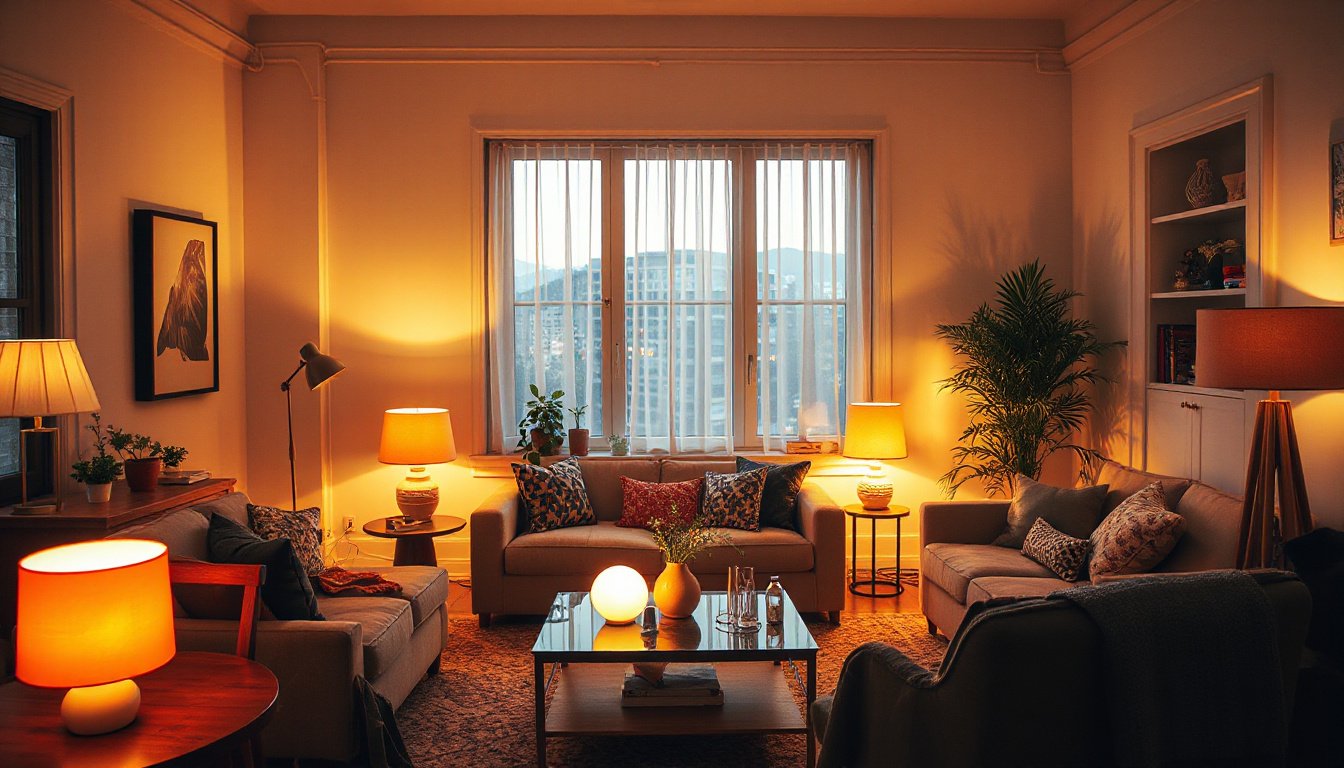
Lighting plays a crucial role in creating a comfortable, functional, and aesthetically pleasing environment. Whether for your home, office, or other spaces, understanding lamp life and how to maximize it can save you money, reduce waste, and ensure consistent illumination. This guide explores what lamp life means, factors affecting it, and practical tips to extend the lifespan of your lamps while enhancing their efficiency.

What is Lamp Life?
Lamp life refers to the average operating time an electric lamp functions before it fails or its brightness diminishes significantly. It is typically measured in hours and varies widely depending on the lamp type, usage conditions, and quality. A longer lamp life translates to fewer replacements and more dependable lighting.
Types of Lamps and Their Lifespans
Different lamp technologies offer varying life expectancies:
- Incandescent Bulbs: Traditional bulbs usually last about 750 to 2,000 hours but are less energy-efficient and generate more heat.
- Halogen Lamps: Slightly longer life than incandescent, around 2,000 to 4,000 hours, with improved brightness and color rendering.
- Compact Fluorescent Lamps (CFLs): Known for energy efficiency, these last approximately 8,000 to 10,000 hours.
- Light Emitting Diode (LED) Lamps: Currently the most durable and efficient choice, LEDs can last 25,000 to 50,000 hours or more.
- Specialty Lamps (e.g., projector or stage lamps): Lifespans vary; they often require careful handling and maintenance to maximize use.
Factors Affecting Lamp Life
Several elements influence how long your lamp will last:
- Usage Patterns: Frequently switching lamps on and off can shorten the lifespan, especially in incandescent and CFL bulbs.
- Voltage Fluctuations: Lamp life decreases with inconsistent or inappropriate voltage supply.
- Heat and Ventilation: Excess heat and poor air circulation can degrade lamp components faster.
- Quality of the Lamp: Higher-quality lamps with better materials and manufacturing standards usually last longer.
- Environmental Conditions: High humidity, dust, and vibrations negatively impact lamp durability.
- Fixture Compatibility: Using the correct size and type of lamp for fixtures ensures optimal performance.
Tips to Maximize Your Lamp Life and Efficiency
-
Choose the Right Lamp Type: Opt for LED lamps for longevity and energy savings. LEDs offer bright light with minimal heat production and excellent durability.
-
Proper Installation: Follow manufacturer instructions carefully to ensure proper fitting and electrical compatibility. Avoid forcing bulbs into mismatched sockets to prevent damage.
-
Use Compatible Fixtures: Fixtures with good ventilation and appropriate wattage limits help maintain lamp health.
-
Manage Usage Patterns: Minimize frequent on/off cycles. For spaces where lamps switch frequently, consider bulbs that tolerate frequent switching better, such as LEDs.
-
Regulate Voltage Supply: Use surge protectors or voltage stabilizers in areas with unstable electrical supply.
-
Maintain Clean Fixtures and Lamps: Dust and dirt can cause overheating. Regularly clean lamp surfaces and fixtures with a soft cloth after switching off the power.
-
Avoid Excessive Heat: Ensure lamps have room to dissipate heat and avoid covering lamps with materials that can trap heat.
-
Dimmer Compatibility: Use dimmable lamps with compatible dimmer switches, as incompatibility can reduce lamp life.
Additional Considerations
Investing in quality lamps may come at a higher upfront cost but results in longer lamp life and reduced replacement frequency. Furthermore, adopting energy-efficient lighting contributes to environmental sustainability by lowering energy consumption and reducing waste.
Conclusion
Understanding lamp life and implementing strategies to enhance it helps create well-lit, efficient spaces while saving money and environmental impact. By selecting the right type of lamp, managing usage, and maintaining proper fixture conditions, you can enjoy prolonged, consistent lighting tailored to your needs. Illuminate your space smartly and sustainably with these insights on maximizing lamp life and efficiency.