





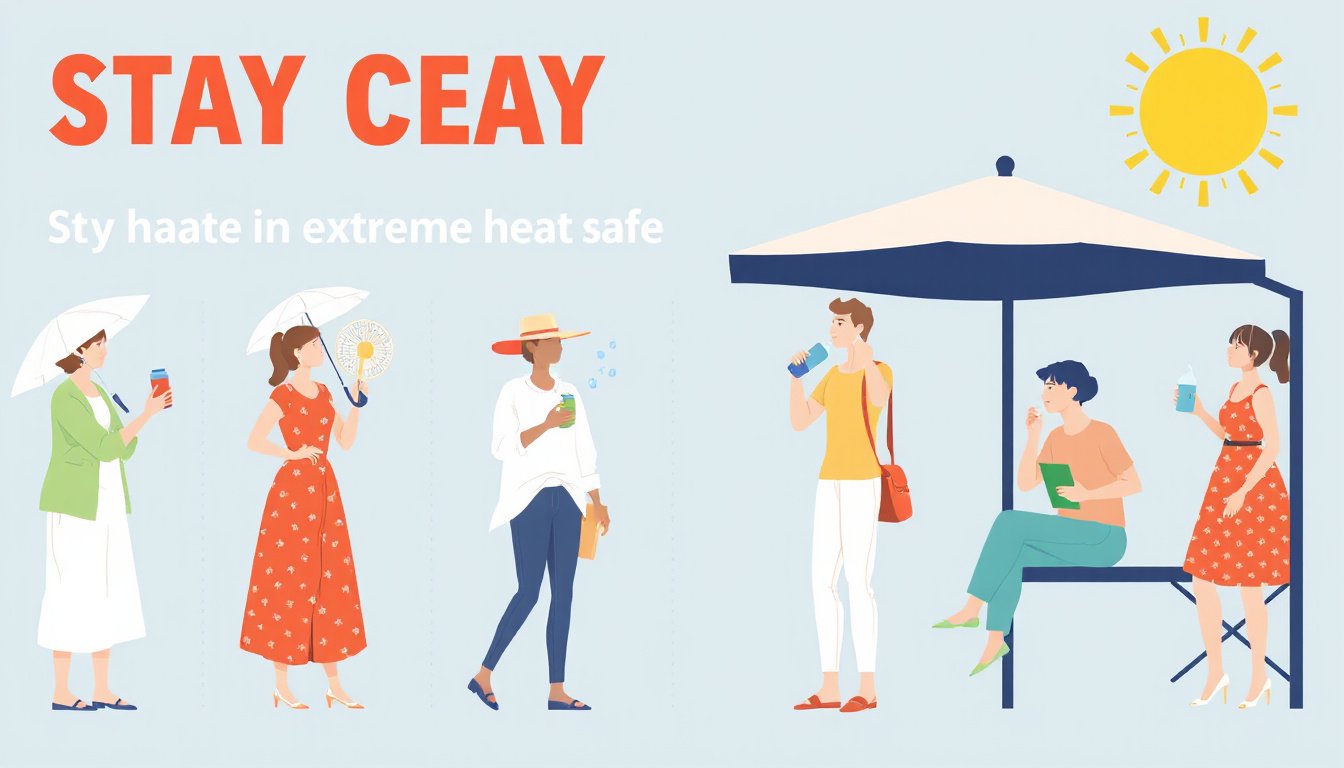
Overheating, or excessive heat exposure, can pose significant risks to health, ranging from mild discomfort to life-threatening conditions. As global temperatures rise due to climate change, understanding these risks and learning how to mitigate them is crucial for protecting yourself and your community. This article explores the dangers of overheating, the populations most at risk, signs and symptoms to watch for, and practical strategies for staying safe in hot weather.
The Dangers of Overheating and Heat-Related Illnesses
Heat acts as a serious environmental and occupational hazard that can affect every organ system. When the body cannot adequately cool itself, internal temperatures rise, leading to a spectrum of heat-related illnesses collectively known as hyperthermia. These conditions include:
- Heat Rash: A mild irritation caused by sweat trapped under the skin.
- Heat Cramps: Muscle spasms occurring after heavy sweating during physical activity.
- Heat Exhaustion: A moderate condition marked by dehydration, weakness, dizziness, nausea, and headaches.
- Heat Stroke: A severe and potentially fatal emergency where core body temperature exceeds 104°F (40°C), often accompanied by confusion, seizures, or unconsciousness.
Heatstroke is particularly dangerous, carrying a high fatality rate if not treated immediately. Even moderate heat can exacerbate chronic illnesses such as cardiovascular disease, diabetes, asthma, and mental health disorders, increasing the risk of hospitalization and death.
Who Is Most Vulnerable?
Certain groups are more susceptible to the dangers of overheating:
- Older adults: Reduced physiological ability to regulate temperature and pre-existing health conditions increase risk.
- Infants and young children: Immature temperature regulation and dependency on caregivers for hydration and cooling.
- People with chronic illnesses: Cardiovascular, respiratory, renal, and metabolic conditions can be aggravated by heat.
- Outdoor and manual workers: Prolonged exposure during labor-intensive activities heightens risk of exertional heat injury.
- Low-income and urban populations: Poor housing, lack of access to cooling, and urban heat islands create disproportionate exposure.
- Pregnant people: Physiological changes increase vulnerability.
- Athletes: Intense physical exertion generates internal heat that can overwhelm cooling mechanisms.
Socioeconomic factors, urban design (such as limited green space and heat-retaining building materials), and certain medications can also affect susceptibility.
How Heat Impacts the Body
The human body maintains core temperature through mechanisms like sweating and blood vessel dilation; however, extreme heat combined with high humidity, low wind, and direct sunlight impairs these cooling processes. Clothing and environmental heat gain can further trap heat.
Prolonged exposure elevates strain on the heart and kidneys, can cause dehydration and electrolyte imbalances, and worsens pre-existing conditions. Heatwaves and extreme temperatures may also compromise health services by causing power outages and disrupting transport and water infrastructure.
Recognizing Symptoms of Overheating
Understanding the signs of heat-related illnesses can save lives:
- Heat Rash: Small red bumps and itching, mainly in areas prone to sweating.
- Heat Cramps: Painful muscle spasms, particularly after exercise.
- Heat Exhaustion: Heavy sweating, weakness, dizziness, nausea, headache, and cool, clammy skin.
- Heat Stroke: High body temperature (>104°F/40°C), confusion, agitation, slurred speech, loss of consciousness, and seizures.
Seek immediate medical attention if you or someone else shows signs of heat exhaustion or heat stroke.

Preventing Overheating: Practical Tips to Stay Safe
Stay Out of the Heat
- Avoid outdoor activities during peak heat hours, typically late morning to late afternoon.
- Spend 2–3 hours daily in cool, shaded, or air-conditioned environments.
- Use hats, umbrellas, or shade structures when outdoors.
Keep Your Home Cool
- Open windows at night to let cooler air circulate.
- During the day, close blinds or curtains to block sunlight and keep windows shut if outdoor temperatures exceed indoor temperatures.
- Use fans when temperatures are below 40°C (104°F); in higher temperatures, fans may increase heat exposure.
- Set air conditioners to about 27°C (81°F) for efficient cooling without excessive energy use.
Stay Hydrated and Cool Your Body
- Drink plenty of water regularly, even if not thirsty.
- Wear lightweight, loose-fitting, and light-colored clothing.
- Take cool showers or baths to lower body temperature.
- Avoid alcohol, caffeine, and excessive salt intake, which can dehydrate you.
Monitor Vulnerable Individuals
- Check on older adults, young children, and those with medical conditions during heatwaves.
- Never leave children or pets unattended in vehicles.
- Encourage those at risk to rest and avoid strenuous activities.
Recognize and Respond Quickly
- Stay informed about heat warnings via weather reports or local health advisories.
- Act immediately if symptoms of heat illness appear by moving to a cool place and beginning cooling measures.
- Call emergency services for severe symptoms such as confusion, seizures, or unconsciousness.
Broader Implications and Community Actions
Heatwaves are increasing in frequency, duration, and intensity worldwide. Vulnerable populations face disproportionate risks due to social, economic, and environmental factors. Urban planning that preserves green spaces, improves housing materials, and increases access to cooling can mitigate these effects.
Public health systems should incorporate heat emergency preparedness, educate communities, and provide resources like cooling centers during heatwaves. Combating climate change to limit further global warming remains critical to reducing long-term heat health risks.
Conclusion
Overheating is a serious and growing public health threat influenced by climate change and social factors. By understanding the risks, recognizing symptoms, and taking practical precautions, individuals and communities can protect themselves against the harmful effects of excessive heat. Staying informed, hydrated, cool, and alert during hot weather is essential to avoid heat-related illnesses and save lives.
References:
- World Health Organization fact sheet on Heat and Health.
- Cleveland Clinic resource on Heat-Related Illness (Hyperthermia).
- Healthline article on Health Risks Higher in Hot Weather.
Stay cool, stay safe, and be aware of the impact heat can have on you and those around you.