





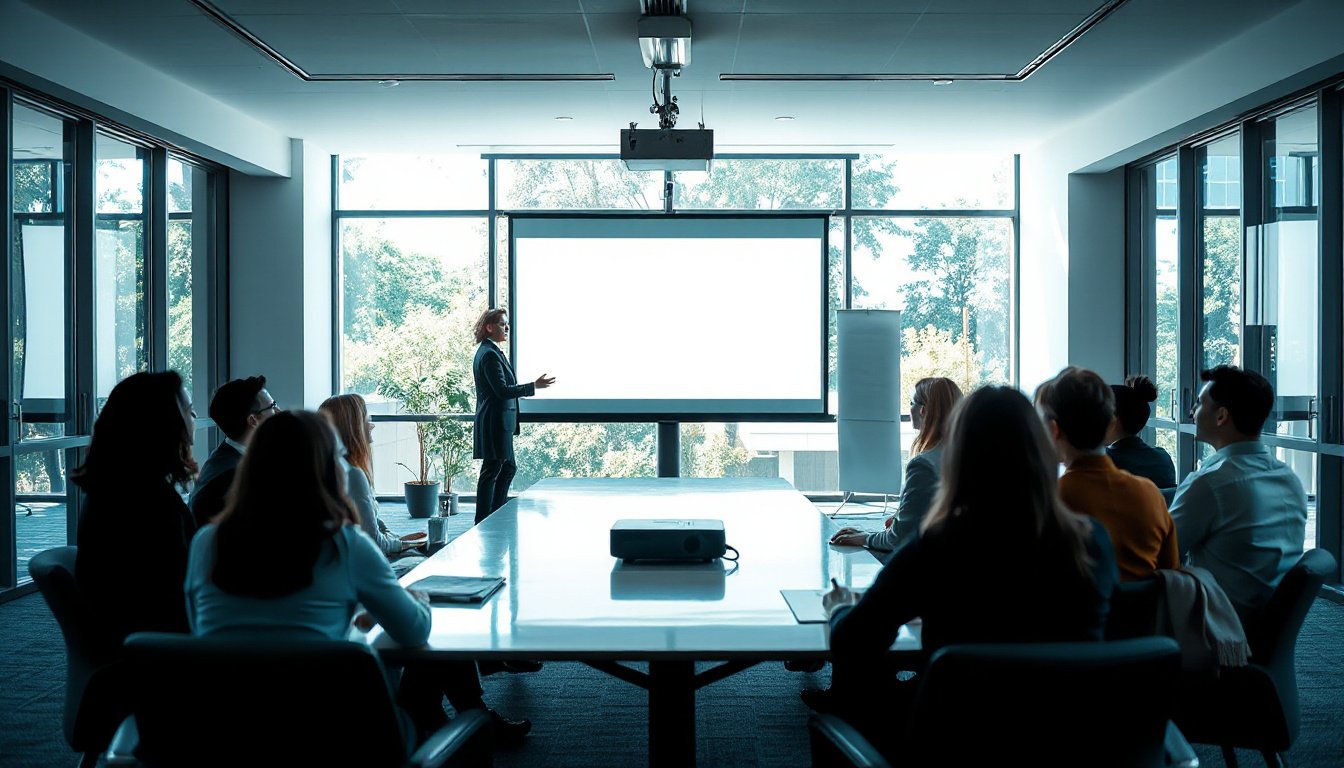
Projectors are versatile tools that transform any flat surface into a large display, perfect for movies, presentations, or digital art. However, using projectors effectively under daylight conditions presents unique challenges, primarily due to ambient light competing with the projector’s output. If you aim to achieve clear, vibrant images in bright environments, understanding the interplay between projector technology, brightness, screen selection, and environmental control is key. This article distills expert insights and practical advice to help you master projector use in daylight settings.
Understanding the Challenge of Daylight Projection
Daylight introduces significant ambient light that can wash out and diminish the quality of projected images. Unlike dark rooms where projectors shine their full potential, daylight forces projectors to contend with external illumination that interferes with image clarity, contrast, and color accuracy.
Why Does Ambient Light Affect Projector Performance?
- Contrast Reduction: The presence of daylight lowers the contrast ratio — the difference between the darkest blacks and brightest whites — making images appear faded.
- Brightness Competition: Sunlight or strong indoor lighting overwhelms the projector’s light output.
- Color Distortion: Natural light can subtly alter perceived colors, reducing image fidelity.
Effectively projecting in daylight requires addressing these issues through equipment choice and environmental management.
Selecting the Right Projector for Daylight Use
Brightness (Lumens) Matters Most
A projector’s brightness specification, measured in lumens, is the foremost factor determining its usability under daylight.
- Minimum Recommendation: 3,000 lumens for moderate daylight conditions and indoor spaces with ambient light.
- Optimal Range: 4,500 to 6,000 lumens for brighter environments such as rooms with large windows or partially shaded outdoor areas.
- Professional Grade: Above 6,000 lumens for large, brightly lit venues or full daylight outdoor use.
Higher lumen ratings help projectors overcome ambient light, making images more visible and crisp.
Projection Technology Types
Different projection technologies affect brightness, color reproduction, and overall image quality:
| Technology | Core Mechanism | Advantages | Best Use Case |
|---|---|---|---|
| LCD | Liquid crystal panels reflect light | Excellent color accuracy | Classrooms, Business meetings |
| DLP | Micromirrors modulate light | Sharp images and reliability | Home theaters, Portability |
| Laser | Powerful laser light source | Superior brightness and lifespan | Large venues, Daylight projection |
Laser projectors, while often pricier, typically offer the best performance in high ambient light situations due to their brightness and color precision.
Choosing the Ideal Projection Surface
The screen or wall surface greatly influences image visibility in daylight.
| Screen Type | Characteristics | Benefits for Daylight Use |
|---|---|---|
| Matte White | Even light diffusion, neutral hue | Minimizes glare and reflections |
| Gray Projection Surface | Absorbs more ambient light, enhances black levels | Improves contrast and depth |
| Ambient Light Rejection (ALR) Screens | Specially engineered microscopic layers that reject external light | Preserves image clarity despite bright surroundings |

For daylight presentations, ALR screens offer the best balance, maximizing image contrast and visibility. Where unavailable, gray screens offer better performance than plain white surfaces.
Essential Techniques for Daylight Projection Success
1. Control and Manage Ambient Light
- Use curtains, blinds, or shades to reduce direct sunlight.
- Position the projector and screen away from windows or light sources.
- Opt for rooms with diffused or indirect natural lighting.
2. Optimize Projector Placement
- Reduce the projection distance to maximize light intensity on screen.
- Adjust projector angle to avoid glare or reflections.
3. Utilize Advanced Projector Features
- Dynamic Iris Technology: Automatically adjusts brightness and contrast based on ambient light.
- High Contrast Ratios: Ensure deeper blacks and more vivid colors despite bright surroundings.
- Color Processing Enhancements: Maintain color accuracy in various lighting conditions.
4. Investing in Professional-Grade Equipment
For frequent or critical daylight presentations (e.g., corporate, educational, or artistic uses), it’s advisable to invest in projectors designed specifically for bright environments with advanced optics and higher lumen outputs.
Real-World Applications
- Corporate Meetings: Utilizing high-lumen laser projectors and ALR screens ensures slide clarity even in well-lit conference rooms.
- Educational Settings: Classrooms with windows can benefit from projectors rated above 3,000 lumens combined with strategic lighting control.
- Outdoor Events: Brightness levels above 6,000 lumens and shaded projection surfaces are critical for maintaining image integrity.
Summary: Key Takeaways for Using Projectors Under Daylight
| Aspect | Recommendation |
|---|---|
| Brightness (Lumens) | Minimum 3,000 lumens; 4,500+ for bright spaces |
| Projection Technology | Laser for best daylight performance |
| Screen Type | ALR > Gray surface > Matte white |
| Ambient Light Control | Use curtains; avoid direct sunlight |
| Advanced Features | Dynamic iris and high contrast ratios |
| Projector Placement | Minimize throw distance; avoid glare |
By carefully selecting equipment and managing environmental factors, you can achieve vibrant, high-quality projections, even in challenging bright conditions.
Conclusion
Projecting images and presentations under daylight conditions may seem daunting due to the competition from ambient light, but it is far from impossible. Prioritizing high-brightness projectors, selecting the right screens, and controlling environmental lighting make all the difference. Whether for business, education, or entertainment, implementing these expert tips will ensure your presentations remain clear, engaging, and impactful no matter the lighting circumstances.
For further guidance on projector technologies and detailed equipment reviews, consider consulting specialized resources and professional suppliers dedicated to high-brightness projection solutions.