





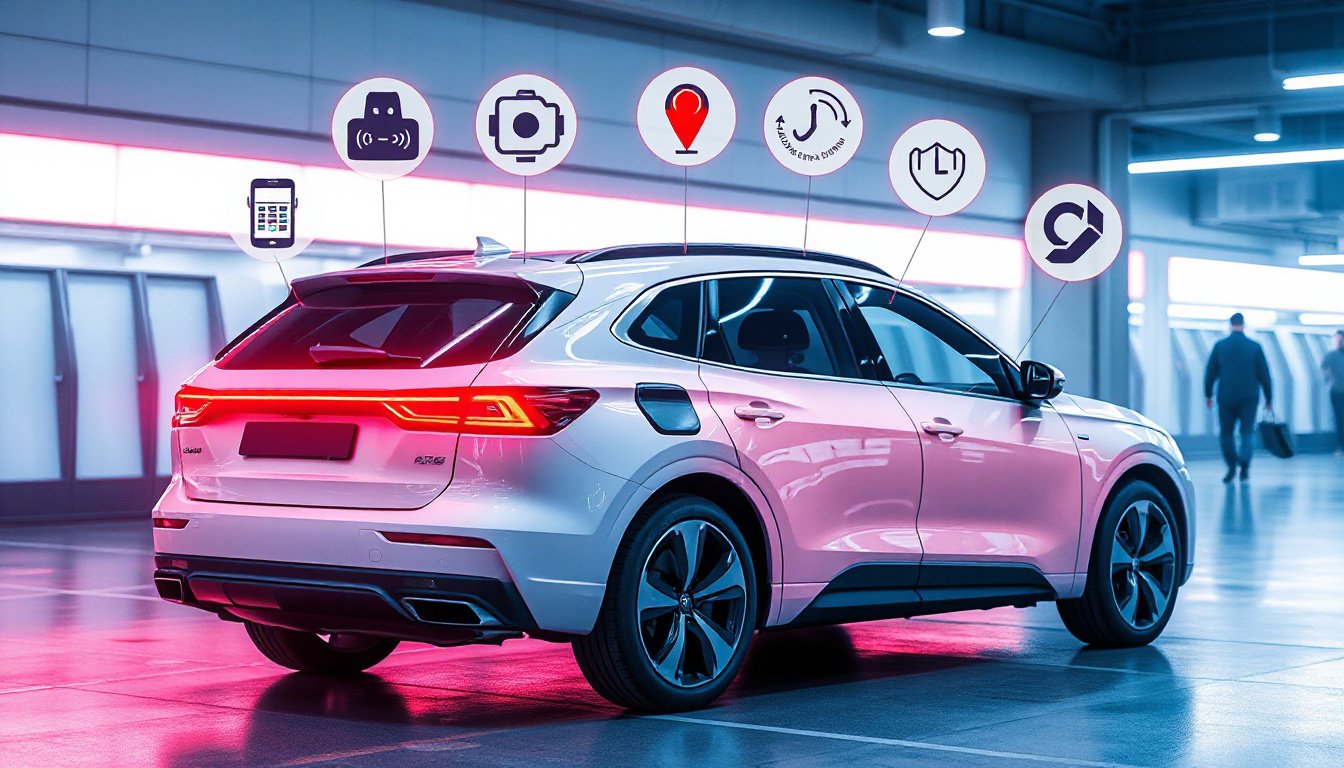
In today’s world, vehicle theft remains a significant concern for car owners everywhere. Advances in technology, however, are continuously enhancing the ways to protect vehicles from unauthorized access and theft. As 2023 unfolds, the latest anti-theft features promise to deliver smarter, more effective protection for your prized ride. This article delves into the most cutting-edge vehicle anti-theft technologies and how they integrate with overall security practices, including insights from parallels in mobile device anti-theft technology, to keep your vehicle — and your data — safe.
Understanding the Need for Robust Anti-Theft Features
Vehicles today are more than just modes of transport; they are smart machines integrated with sophisticated electronics, connectivity, and data. This digital evolution increases the risk of theft and unauthorized access, whether to the vehicle itself or the sensitive information it holds. Vehicle anti-theft measures in 2023 emphasize both physical security and data protection.
Key Anti-Theft Features in Modern Vehicles

1. Advanced Immobilizers and Engine Blockers
A foundational anti-theft technology that has evolved considerably, immobilizers prevent the engine from starting unless the correct electronic key or token is present. Recent developments have introduced digital keys paired with biometrics and encrypted signals, making it virtually impossible for thieves to hotwire or bypass ignition systems.
2. GPS Tracking and Real-Time Location Services
Most modern vehicles now come equipped with embedded GPS trackers. These allow owners or authorized personnel to pinpoint the vehicle’s location in real-time via smartphone apps. This technology plays a crucial role in both theft deterrence and recovery, providing law enforcement with actionable location data.
3. Remote Lock and Immobilization via Mobile Apps
In line with innovations seen in smartphone anti-theft features like Android’s Remote Lock, vehicle manufacturers offer apps enabling owners to remotely lock their vehicles or disable the engine instantly if theft is suspected. This immediate control helps mitigate damage or loss.
4. Motion and Break-In Sensors
Sensitive sensors in doors, windows, and motion detectors analyze unusual activity around or inside the vehicle. When suspicious interactions occur — such as forced entry or motion inside when the car is off — alarms sound and notifications can be sent directly to the owner’s smartphone.
5. AI-Powered Theft Detection
Drawing a parallel to Android’s Theft Detection Lock, AI algorithms installed in vehicles can detect aggressive or unusual driving patterns indicative of theft, such as rapid acceleration after forced entry. Upon detection, the system can engage safety modes, lock down critical functions, and alert the owner or authorities.
6. Private User Profiles and Data Encryption
As vehicles become data hubs storing personal and financial information, manufacturers are incorporating private user spaces protected by PINs or biometric authentication. These isolated profiles prevent unauthorized access to navigation history, payment methods, and other sensitive data, reminiscent of Android’s Private Space feature safeguarding apps and data behind separate security layers.
Integration with Smartphone Theft Protection Features
Modern vehicles are increasingly connected to drivers’ smartphones, and the security of these devices directly impacts vehicle safety. Android’s theft protection suite, which includes factory reset prevention, enhanced biometric verification, and remote lock capabilities, showcases how smarter device security complements vehicle anti-theft efforts.
For example:
- Factory Reset Protection: Prevents thieves from wiping and reselling stolen devices, analogous to immobilizers blocking unauthorized engine starts.
- Remote Lock and Wipe: Allows users to lock or erase data remotely, similar to vehicle remote immobilization.
- AI-Based Theft Detection: Automatic lock when suspicious movement is detected mirrors vehicle alarms triggered by unusual motion.
This cross-device security synergy enhances overall protection for vehicle owners who rely on connected technology.
Best Practices to Enhance Vehicle Security in 2023
- Always use multi-factor authentication for accessing vehicle apps and data.
- Enable AI-powered security features on both your vehicle and smartphone.
- Regularly update software on your vehicle’s infotainment system and mobile devices to ensure vulnerabilities are patched.
- Use remote tracking and immobilization features actively to gain immediate control in case of theft.
- Leverage private user profiles for sensitive vehicle functions and data to minimize risks of unauthorized access.
Conclusion
In 2023, anti-theft protection for vehicles has evolved beyond physical barriers to incorporate cutting-edge technologies such as AI detection, digital immobilizers, and integrative remote control. When paired with robust mobile device security measures like those found in modern Android theft protection features, vehicle owners can achieve a comprehensive security ecosystem. Staying informed and utilizing these advancements actively ensures your ride — and the sensitive data it contains — remain secure in an ever-changing technological landscape.