





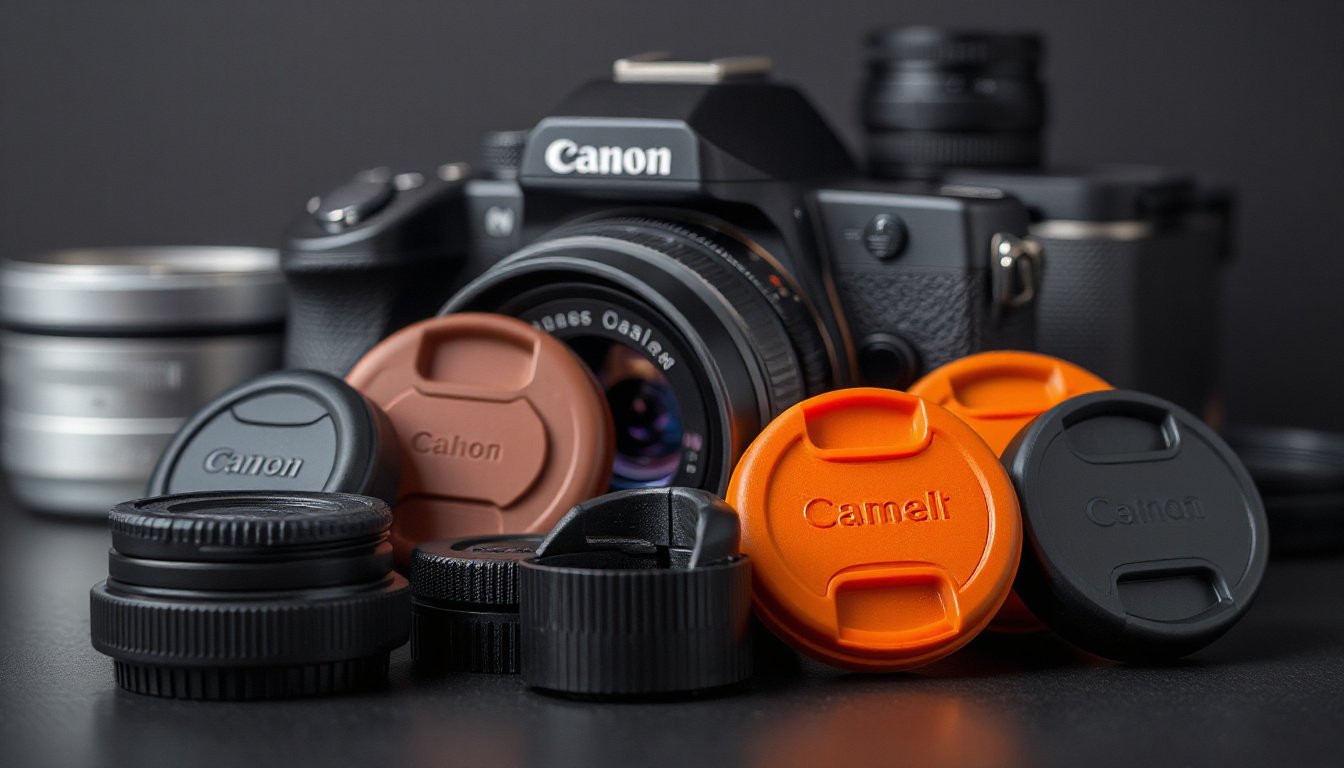
When it comes to protecting your camera lens, one small accessory plays a big role: the lens cap. Often overlooked, a lens cap is essential for safeguarding your valuable lens from scratches, dust, dirt, and accidental damage. Whether you are an amateur photographer or a seasoned pro, understanding how to properly choose and use a lens cap can save you from costly repairs and keep your shots flawless.
Why a Lens Cap Is a Must-Have
Your camera lens is one of the most delicate and expensive parts of your gear. Even tiny scratches on the lens surface can degrade image quality. Without a lens cap, exposing your lens to everyday elements like airborne dust, moisture, or accidental bumps increases the risk of damage. Using a lens cap whenever your camera isn’t shooting ensures your lens stays clean and protected, ready for your next shot.
Choosing the Right Lens Cap

Lens caps come in various sizes and styles, so selecting the right one depends largely on your lens specifications:
Size Compatibility
Lens caps need to fit snugly to be effective. Most lens caps are sized by the diameter of your lens’s front element, expressed in millimeters (e.g., 58mm). To find out your lens size, check the markings on the front or side of your lens barrel.
For example, the popular 58mm universal snap-on lens cap fits many standard lenses such as the Canon EF-S 18-55mm f/3.5-5.6. Universal caps can fit brands like Nikon, Olympus, Sigma, and Vivitar as well, making them versatile and practical.
Style of Lens Cap
- Snap-On Caps: These are the most common, with tabs that utilize spring tension to grip the lens barrel. They are easy to attach and remove.
- Center-Pinch Caps: Designed with pinch points in the center, allowing you to mount or remove the cap even when a lens hood is attached.
- Caps with Keepers: Some lens caps come with tether straps (cap keepers) that attach to your camera or strap so you never misplace your cap when shooting.
Additional Features
Some lens cap kits include extras like microfiber cleaning cloths to keep your lens spotless, and protective cap keepers to prevent loss. These add convenience and value, especially for photographers on the go.
Best Practices for Using Your Lens Cap
-
Always Keep It On When Not Shooting: The lens cap is your lens’s first line of defense when your camera isn’t in use. Always cover your lens before placing your camera back in your bag.
-
Use a Cap Keeper: Attaching a tether helps prevent losing your cap during shoots.
-
Clean the Lens and Cap Regularly: Dust can accumulate on both surfaces. Using a microfiber cloth helps maintain clear optics and prevents scratching.
-
Handle with Care: When attaching or removing the lens cap, do it gently to avoid bending the caps or damaging the lens threads.
Final Thoughts
Choosing the right lens cap tailored to your lens size and shooting needs is a simple yet effective way to protect your investment. Whether you opt for a universal snap-on model like the 58mm caps available for common lenses or a specialized center-pinch cap, consistently using that lens cap ensures your lens remains in pristine condition and you never miss a shot due to lens damage.
Protect your lens—it’s the doorway to capturing your best moments!