





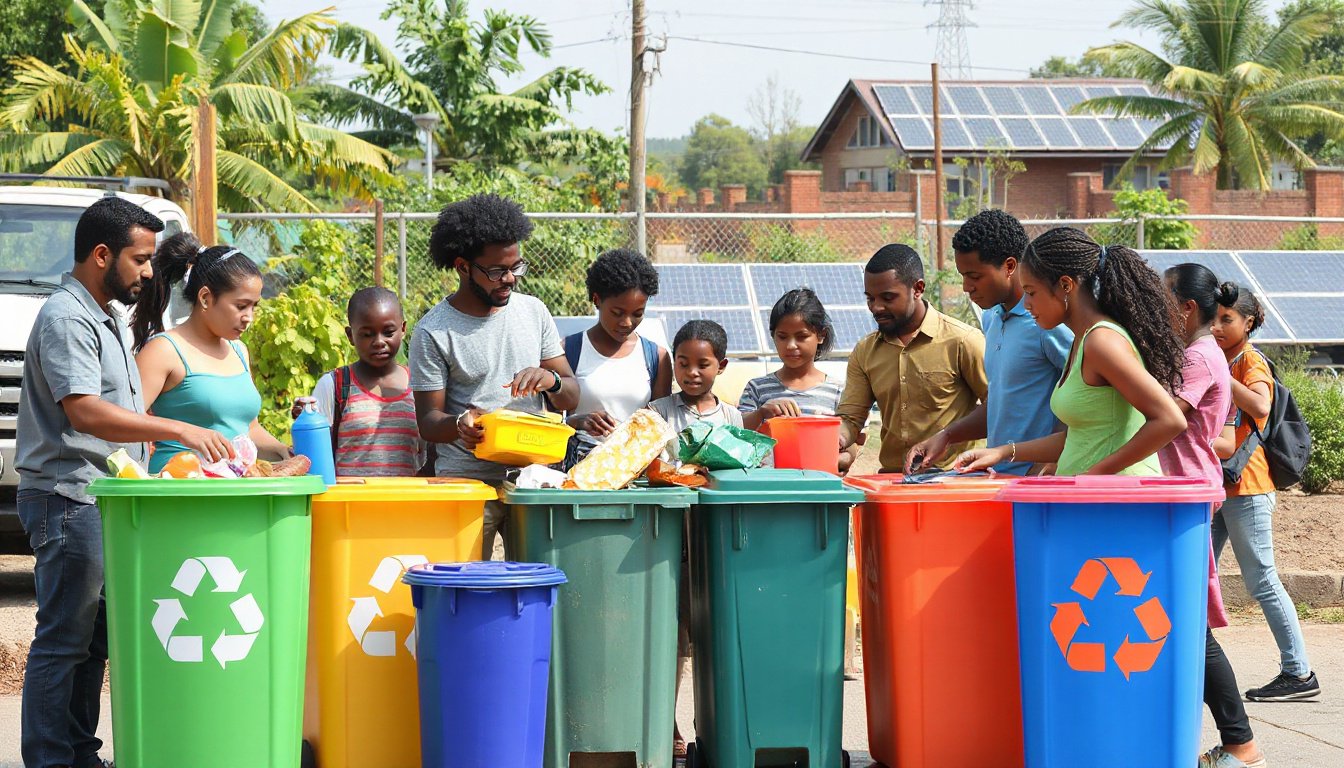
Recycling programs play a vital role in promoting environmental sustainability, reducing landfill waste, and fostering community engagement. Whether you are a business, school, nonprofit, or residential group looking to reduce your environmental footprint, starting a well-organized recycling program is an effective way to make a meaningful impact. This guide will walk you through the essential steps to launch a successful recycling program tailored to your community or organization.

Understanding the Importance of Recycling Programs
Recycling programs do more than just divert waste from landfills; they contribute to conservation of natural resources, reduction of greenhouse gas emissions, and promotion of sustainable habits among residents and businesses. Modern consumers and employees often seek out companies and communities that demonstrate commitment to sustainability, which adds value beyond environmental benefits.
By organizing a recycling program, your community not only helps protect the environment but enhances its reputation, potentially attracting residents, customers, and employees who prioritize environmental responsibility.
Step 1: Develop a Comprehensive Recycling Plan
A well-structured recycling plan serves as the blueprint for your program’s success. This plan should outline objectives, designate responsibilities, identify recyclable materials to be collected, and establish goals and metrics for measuring progress.
Who to Include in Planning
Forming a diverse planning team is critical to understanding the potential challenges and garnering support. A successful plan often involves:
- Upper management or community leaders
- Facility or property managers
- Operations managers
- Custodial or housekeeping staff
- Department heads or representatives
- Interested community members or employees
- Waste hauling or recycling service providers
Engaging these stakeholders early helps ensure all perspectives are considered and promotes collective ownership of the program.
Step 2: Assess Waste and Recycling Needs
Conduct a waste audit to evaluate the types and quantities of waste your community or business generates. This helps determine which materials are recyclable and establishes realistic expectations for collection volumes. Understanding your waste stream also allows you to target hard-to-recycle items and minimize contamination.
For instance, some programs partner with organizations like TerraCycle to recycle typically hard-to-recycle items such as beauty product empties or snack wrappers, keeping these materials out of landfills.
Step 3: Partner with Waste Haulers and Recycling Facilities
Most businesses and communities already work with a waste hauler for trash removal, but not all haulers provide recycling services. Engage your current provider or research other haulers offering recycling collection that fits your needs and budget.
Questions to Ask Your Hauler Include:
- Which recyclable materials do they accept?
- Are there fees or revenue-sharing arrangements tied to the recyclable materials?
- How will recyclable materials need to be prepared before pickup?
- Do they offer educational support or waste audits?
- What are the terms of the service contract, including contamination fees and renewal policies?
- Can they provide data on recycling volumes for monitoring progress?
Request a site walkthrough with prospective haulers to discuss container placement and logistics, ensuring they understand your facility’s unique requirements.
Step 4: Engage Property Management (If Applicable)
If you operate within leased premises, early collaboration with landlords or property management companies is essential. Determine who is responsible for contracting waste services and custodial support, and work with them to integrate recycling services into existing contracts. If management is unwilling, consider contracting recycling services independently using specialized “valet” haulers.
Step 5: Educate and Involve Your Community or Employees
A key to reducing contamination—and thereby avoiding additional fees—is educating participants on what materials are recyclable and how to dispose of them properly. Use clear signage at collection points, distribute informational materials, and hold training sessions or workshops to foster understanding and enthusiasm.
Peer influence and visible leadership commitment also help reinforce recycling behavior.
Step 6: Implement Convenient and Effective Collection Systems
Provide appropriate collection containers—such as separate bins or dumpsters clearly labeled for recyclables—and place them in high-traffic, convenient locations. A seamless recycling experience encourages participation.
Consider including recycling options for less common items by partnering with specialized programs, such as those offered by TerraCycle for unique waste streams.
Step 7: Monitor, Report, and Improve
Track your program’s progress regularly through data reports from your hauler or in-house tracking methods. Monitor the volume of recyclables collected, contamination rates, and cost savings versus traditional waste disposal.
Analyze this data to identify areas for improvement, sustain momentum, and celebrate successes with your community or workforce.
Conclusion
Starting a successful recycling program is an achievable and impactful endeavor that revitalizes your community through environmental stewardship and collective action. By thoughtfully planning, engaging stakeholders, partnering with reliable haulers, educating participants, and continuously refining your approach, your program can minimize waste, provide economic benefits, and inspire sustainable habits that last.
Take the first step today—your community’s health and the planet depend on it.