





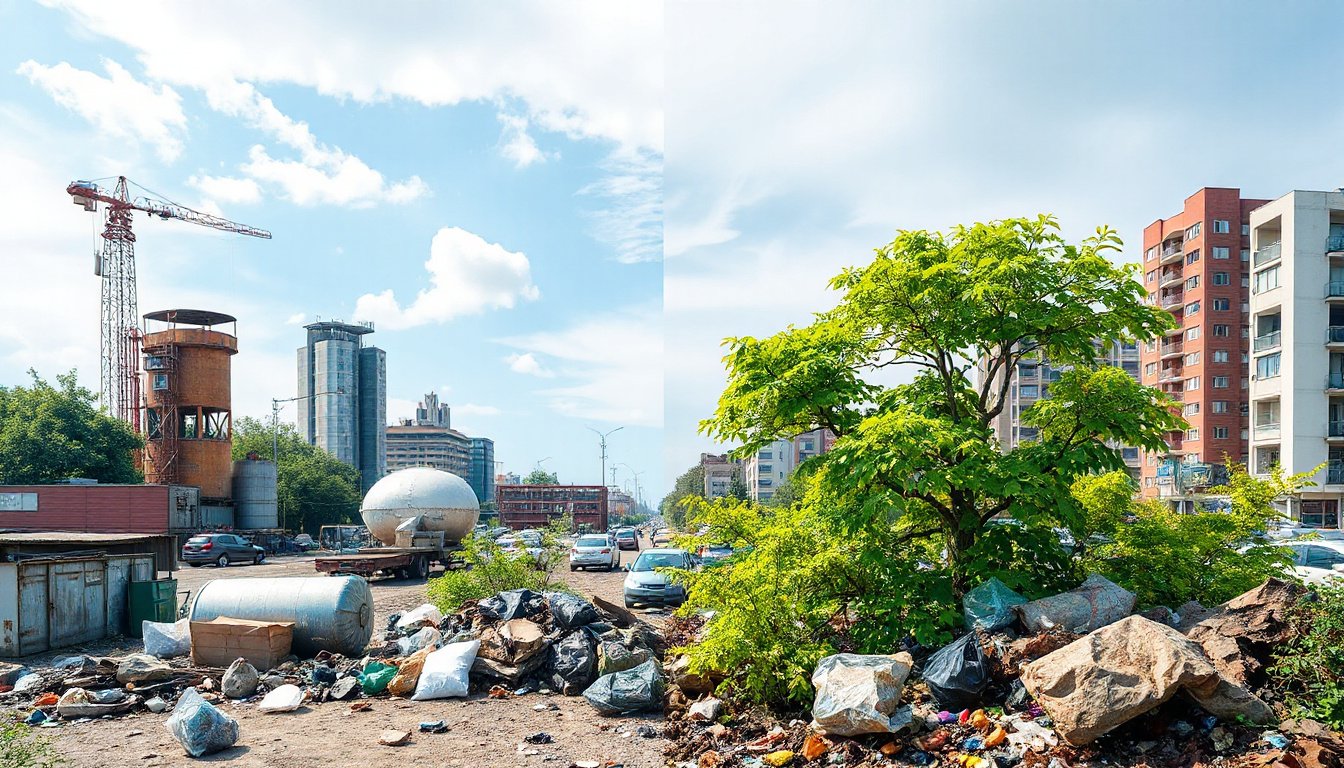
Everyday choices—from the energy we consume to the products we use—carry significant consequences for our planet. These consequences, collectively referred to as environmental impacts, encompass a wide spectrum of changes to our natural and built surroundings, often with far-reaching effects on ecosystems, human health, and climate. Understanding the nature of these impacts is essential for fostering more sustainable behaviors and policies.
Defining Environmental Impact
Environmental impact can be broadly defined as any change—positive or negative—that arises in the environment due to human activities, products, or services. These changes affect various components such as air, water, soil, plants, animals, and the overall ecosystem balance. For instance, pollution emitted by industrial operations alters air quality, while deforestation modifies landforms and disrupts habitats.
More formally, environmental impact includes alterations that may result in contamination, degradation, or destruction of natural resources, often linking directly to broader public health and quality of life concerns. It is widely accepted that any human activity incurs some environmental impact, though the scale and severity vary.
Key Areas of Environmental Impact
1. Pollution and Emissions
One of the most visible forms of environmental impact is pollution. Activities such as burning fossil fuels—coal, oil, and natural gas—emit carbon dioxide and other harmful pollutants, which contribute to smog, acid rain, and climate change. These pollutants can degrade air and water quality, harm wildlife, and pose health risks to communities.
Industrial waste disposal, accidental chemical spills, and leakage from fuel storage tanks can contaminate soil and water bodies, leading to lasting damage on ecosystems and human livelihoods.
2. Climate Change and Global Warming
Human-induced emissions of greenhouse gases trap heat in the atmosphere, driving global warming and climate change. Resulting effects include rising sea levels, changing weather patterns, and increased frequency of extreme weather events, which jeopardize food security, water availability, and biodiversity.
The combustion of hydrocarbons for energy production remains a leading contributor to this problem, underscoring the need for cleaner energy sources and enhanced energy efficiency technologies.
3. Resource Depletion and Habitat Loss
Growing population and consumption patterns amplify the demand for natural resources such as forests, water, and minerals. Overexploitation can cause deforestation, soil erosion, water scarcity, and loss of habitats, leading to reduced biodiversity and species extinction.
For example, large-scale projects like oil sands extraction impact land use and water quality, accentuating ecological footprints and environmental degradation.
4. Ecosystem Disruption
Projects or activities that alter the physical geography—like construction, mining, or infrastructure development—can cause erosion, disrupt coastal or river dynamics, and degrade ecosystem functions. Introduction of invasive species, contamination, or destruction of conservation areas further disturb ecological balance and services vital to human survival.
5. Waste Generation and Chemical Hazards
Mass transit systems, industries, and households generate waste that requires proper management. Hazardous materials such as asbestos, lead-based paints, mercury, and polychlorinated biphenyls (PCBs) used historically in infrastructure pose significant contamination risks if not handled responsibly.
Improper disposal or accidental release of these substances can cause air, water, and soil pollution, impacting both environment and public welfare.
Assessing Environmental Impact
To understand and mitigate these impacts, several analytical methods are employed:
-
Life Cycle Assessment (LCA): Evaluates environmental consequences associated with all stages of a product’s life—from resource extraction (cradle) to disposal (grave). This comprehensive approach helps identify critical points for improvement.
-
Emission Inventories: Quantify pollutants released into the environment from various sources, supporting monitoring and regulatory compliance.
-
Risk and Hazard Analysis: Focus on evaluating potential harm from unplanned releases or accidents involving hazardous materials.
Moreover, environmental impact assessments (EIA) are often mandatory steps before initiating construction or industrial projects. These assessments examine effects on natural habitats, historical sites, local communities, and climate, incorporating strategies to minimize damage.
Managing and Reducing Environmental Impact
Proactive management involves ensuring compliance with environmental legislation and adopting systems like ISO 14001 to systematically reduce ecological footprints. Measures include:
- Implementing cleaner production techniques and upgrading technology to improve energy efficiency and reduce emissions.
- Promoting sustainable resource use and waste reduction through recycling and safer materials handling.
- Increasing stakeholder awareness and fostering environmental dialogue for transparency and cooperation.
- Monitoring and responding to environmental performance continuously, with periodic evaluation of policies and actions.
Mass transit agencies, for example, handle challenges such as vehicle emissions, noise, waste management, and contamination from legacy materials by instituting rigorous environmental programs.

Conclusion
Every choice we make, individually and collectively, interlinks with the health of our planet. Recognizing the breadth and depth of environmental impacts—from pollution and climate change to habitat alteration and waste—enables us to make more informed decisions.
By understanding these hidden consequences, we empower ourselves to advocate for, and adopt, sustainable practices that protect natural resources, safeguard biodiversity, and ensure healthier environments for current and future generations.