





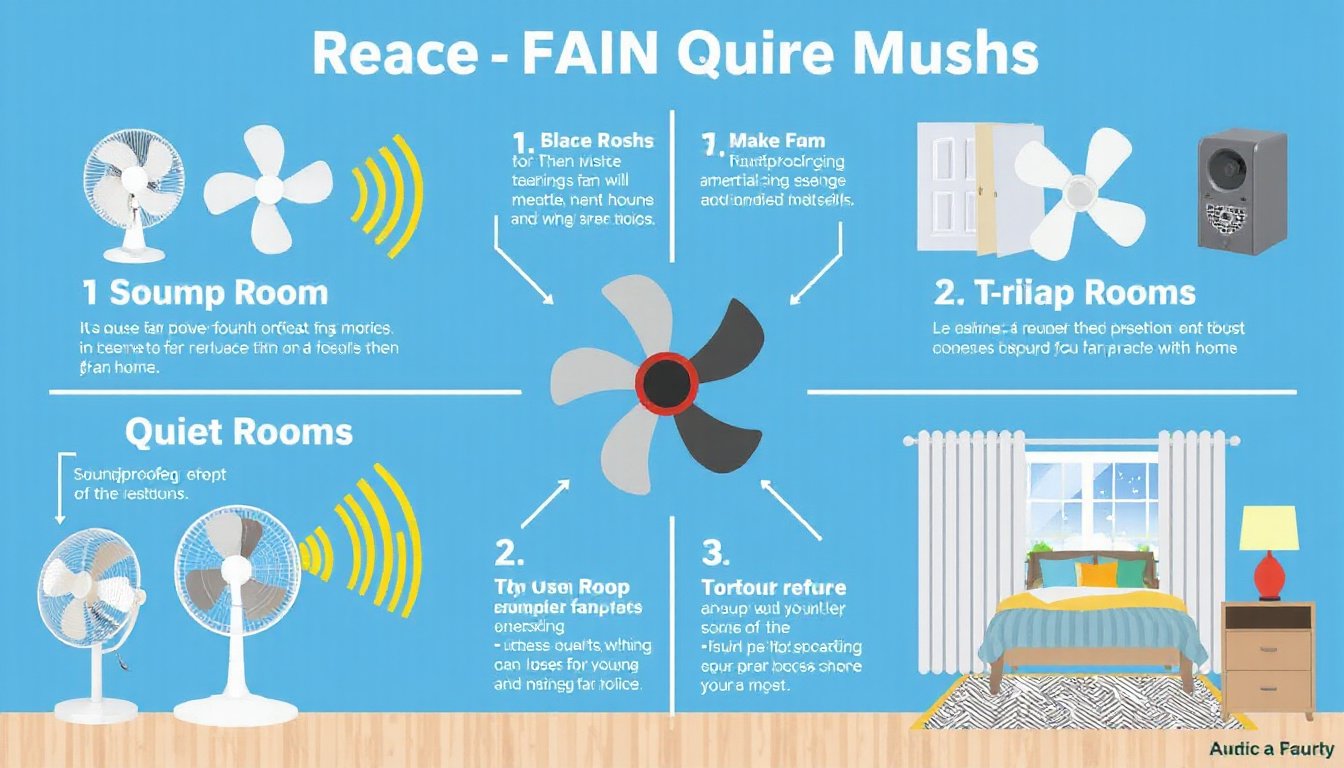
In modern homes, fans are essential appliances that provide comfort by circulating air and regulating indoor temperature. However, the noise generated by fans, commonly known as fan noise, can sometimes be a source of disturbance, affecting sleep, concentration, and general well-being. This guide explores the causes of fan noise, its impact, and effective strategies to minimize it, promoting a quieter and more comfortable living environment.

Understanding Fan Noise
Fan noise arises primarily from the mechanical operation and airflow disturbance created as blades rotate. It manifests as a continuous whooshing or humming sound, and its intensity depends on several factors:
- Design and Type of Fan: Different types, such as ceiling fans, box fans, or tower fans, produce varying noise levels due to blade shape and motor construction.
- Blade Speed and Size: Faster blade rotation increases airflow but may also amplify noise, while larger blades can lead to more pronounced sound waves.
- Motor Quality and Maintenance: A poorly maintained or low-quality motor can emit additional sounds like rattling or grinding.
- Installation and Placement: Fans not securely mounted or placed near reflective surfaces can generate or amplify noise.
Recognizing these factors can help in choosing and maintaining fans that operate quietly.
The Impact of Fan Noise
While many people tolerate fan noise, its influence on daily life can be significant:
- Sleep Disruption: Noise from fans, especially when loud or erratic, can interrupt sleep cycles leading to poorer quality rest.
- Reduced Concentration: In work or study environments, constant background noise may impair focus and productivity.
- Stress and Irritation: Persistent unwanted sound can increase stress levels and reduce overall comfort.
Conversely, some individuals use fan noise intentionally as white noise to mask other disruptive sounds, aiding relaxation or focus. Understanding personal sensitivity to fan sounds is crucial in managing its impact.
Effective Ways to Reduce Fan Noise at Home
1. Choose the Right Fan
Selecting a fan designed for quiet operation is the first step. Look for features such as:
- Brushless DC Motors: These tend to operate more quietly and efficiently.
- Aerodynamic Blade Designs: Blades engineered to minimize air turbulence create less noise.
- Multiple Speed Settings: Lower speeds often produce less noise.
2. Regular Maintenance
Fans produce less noise when clean and well-maintained:
- Clean Blades and Grilles: Dust accumulation can cause imbalance and increased noise.
- Tighten Screws and Mounts: Loose parts may vibrate, adding to sound levels.
- Lubricate Moving Parts: Proper lubrication reduces friction-induced noise.
3. Strategic Placement and Installation
The positioning of a fan can influence the perception of noise:
- Mount Securely: Use appropriate hardware to avoid vibration against surfaces.
- Avoid Reflective Surfaces: Placing fans away from hard walls or glass can reduce noise reflection.
- Use Isolation Pads or Mats: These reduce vibration transmission to floors or furniture.
4. Employ Sound Dampening Measures
In rooms where fan noise is problematic:
- Install Soft Furnishings: Carpets, curtains, and upholstered furniture absorb sound.
- Acoustic Panels: These can be placed strategically to reduce ambient noise.
- White Noise Machines: If fan noise is inconsistent, a white noise generator can provide a steadier sound environment.
5. Consider Alternative Cooling Options
When fan noise remains disruptive despite mitigation efforts:
- Air Conditioners with Quiet Modes: Modern units often have silent operation settings.
- Evaporative Coolers or Ventilation Systems: These may provide cooling benefits without typical fan noise.
Conclusion
Fan noise is a common household challenge that can affect comfort, rest, and concentration. By understanding its causes and applying strategic solutions—from selecting the right fan and maintaining it properly to optimizing placement and integrating sound-absorbing materials—homeowners can significantly reduce unwanted noise. This thoughtful approach not only silences the whirlwind but also enhances the overall living experience, creating a peaceful and comfortable home environment.