





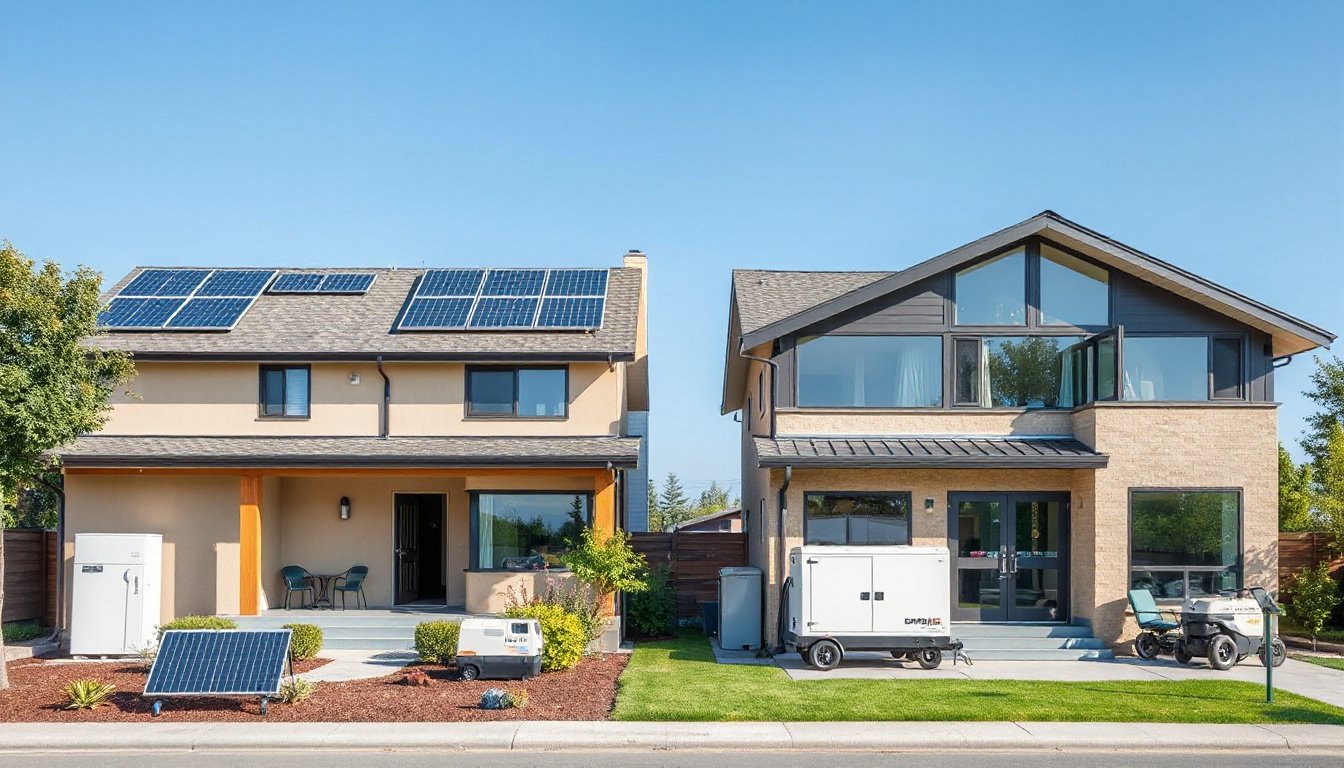
Power outages can strike unexpectedly, disrupting daily life and business operations. Whether it’s a brief interruption or an extended blackout, having a dependable power backup system is critical to maintain safety, communication, comfort, and productivity. This article explores various power backup options available today, weighing their features, advantages, and ideal use cases for both residential and commercial applications.
Understanding Power Backup Needs
Before selecting a backup power solution, assess your specific energy needs. Consider:
- Critical devices: Refrigerators, medical devices, lights, communication gadgets.
- Duration: Are you preparing for short-term outages or long-term off-grid situations?
- Power capacity: Measured in watt-hours (Wh) or kilowatt-hours (kWh).
- Portability: Does the system need to be mobile or permanently installed?
- Budget and maintenance: Initial costs, fuel requirements, and upkeep.

With these factors in mind, let’s dive into the most reliable power backup options.
1. Portable Chargers and Power Banks
What They Are
Small, rechargeable batteries designed to power electronic devices like smartphones, tablets, laptops, and small lighting fixtures.
Key Features
- Capacity: Typically 7.5 to 55 Wh
- Output: USB ports, occasionally some with AC outlets
- Portability: Lightweight, easy to carry in backpacks or purses
Pros
- Affordable and highly portable
- Ideal for keeping essential devices charged during brief outages
- Useful beyond emergencies for travel and outdoor activities
Cons
- Limited power capacity; unsuitable for running home appliances
- Generally support only USB-powered devices
Best Use
- Charging smartphones, small electronics
- Evacuations or temporary sheltering in place
- Supplementing larger backup systems by recharging on the go
2. Power-Tool Batteries with Inverters
What They Are
Battery packs originally designed for cordless power tools that, coupled with an inverter, can supply household power.
Key Features
- Capacity: Around 140 to 750 Wh
- Output: After inversion, can power small appliances and electronics through standard 120 V outlets
- Portability: Suitable for mobility but heavier than power banks
Pros
- Cost-effective if you already own compatible batteries from brands like Ego, Ryobi, or DeWalt
- Versatile for tools and limited home electronics
- Can convert stored DC power to AC power for more device compatibility
Cons
- Less economical if starting from scratch
- Limited total capacity, requiring multiple batteries for extended use
Best Use
- DIY enthusiasts with existing cordless equipment
- Running small appliances, lamps, and electronics during short outages
3. Portable Power Stations (PPS)
What They Are
Rechargeable lithium-ion battery systems capable of powering a range of home appliances and electronics.
Key Features
- Capacity: Ranges from 500 Wh to over 8,000 Wh depending on model and expansions
- Output: Multiple AC outlets, USB ports, sometimes DC and RV outlets
- Recharge Methods: Wall outlets, car chargers, solar panels, or generators
- Portability: Designed to be moved indoors; vary in weight but often come with wheels and handles for easier transport
Pros
- Quiet, emission-free, and safe for indoor use
- Capable of powering laptops, lights, fans, small appliances, and sometimes larger devices
- Expandable via additional battery packs for longer durations
- No fuel required, minimizing ongoing costs and maintenance
Cons
- Initial cost higher than power banks or tool batteries
- Charging can be slow, especially via solar panels without substantial arrays
- Heavier units may be challenging to move frequently
Popular Models
- EcoFlow DELTA Pro 3: Offers 4,000 to 6,000 watts output, up to 8,096 Wh capacity, suitable for whole-home basic backup, includes multiple output options including 120 V, 230 V, and RV plugs.
- Bluetti Elite 200 V2: Compact with 2,073 Wh capacity and 2,600 watts max output, favorable for campers and emergency backup.
Best Use
- Reliable backup for critical appliances and home electronics
- Off-grid power during outdoor recreation or job sites
- Situations requiring indoor, quiet, and emission-free power
4. Portable Generators
What They Are
Gasoline or propane-powered internal combustion engines designed to produce electricity.
Key Features
- Power Output: Range from 1,000 watts (for small units) to 9,000 watts or more for home standby generators
- Noise: Can be noisy, often requiring outdoor placement
- Fuel: Requires gasoline, propane, or dual fuel setups
Pros
- High power output capable of running multiple large appliances simultaneously
- Often can be connected to the home electrical panel for seamless backup of selected circuits
- Relatively lower upfront cost for power per watt compared to battery-based systems
Cons
- Emits fumes; must be used outside with proper ventilation
- Needs regular maintenance and fuel storage
- Noise levels may be disruptive, especially in residential areas
Popular Models
- Westinghouse iGen5000DFc: Dual fuel option, approximately 3,900 watts, capable of powering essentials quietly.
Best Use
- Homes and businesses needing extended power during outages
- Situations where portability is required but outdoor use is feasible
- Backup in areas without solar access or where fuel storage is manageable
5. Whole-Home Backup Battery Systems
What They Are
Advanced battery systems integrated with the home’s electrical infrastructure to provide power during outages seamlessly.
Key Features
- Capacity: Typically 3.6 kWh to over 90 kWh depending on configuration
- Power Output: Scalable from a few kW to over 20 kW, capable of running entire homes including HVAC systems
- Installation: Professional setup including transfer switches and smart panels
Pros
- Seamless power transfer with little to no interruption
- Often compatible with solar installations for sustainable, off-grid operation
- Modular and expandable systems tailored to energy needs
- Quieter and cleaner than traditional generators
Popular Solutions
- EcoFlow DELTA Pro Ultra: Scalable up to 90 kWh capacity and 21.6 kW output with UL certifications, supporting extensive home power needs including central AC units and heavy appliances.
- Smart Home Panels: Automate circuit prioritization and offer app control for monitoring and management.
Cons
- High upfront cost and complexity of installation
- Requires professional electricians and permits
Best Use
- Homes and commercial properties seeking reliable, eco-friendly backup power
- Areas with frequent outages where comfort and continuous operation are priorities
- Users interested in integrating solar with backup power
Comparing Your Options
| Backup Type | Capacity Range | Portability | Ideal Usage | Pros | Cons |
|---|---|---|---|---|---|
| Power Banks | 7.5 – 55 Wh | Highly portable | Charging small electronics | Affordable, portable | Low capacity, USB only |
| Power-Tool Batteries + Inverter | ~140 – 750 Wh | Portable | Power tools, limited home devices | Cost-effective if owned | Limited capacity and appliances |
| Portable Power Stations | 500 – 8,000+ Wh | Semi-portable | Small to medium home appliances | Quiet, clean, indoor safe | Expensive, heavy |
| Portable Generators | 1,000 – 9,000+ watts | Portable | Running multiple home appliances | High power, affordable per watt | Noisy, fumes, fuel required |
| Whole-Home Battery Systems | 3.6 kWh – 90+ kWh | Stationary | Seamless home/business backup | Clean, expandable, automated | Expensive, professional install |
Final Thoughts: Choosing the Best Backup Power Solution
Selecting a power backup solution hinges on your energy needs, budget, and lifestyle. For quick, on-the-go charging, power banks are ideal. DIY enthusiasts might leverage power-tool batteries with an inverter for limited backup. Portable power stations serve well for extended, quiet, and clean outages, especially indoors.
Portable generators remain practical for high-powered needs but require careful handling due to emissions and noise. For those aiming for comprehensive, seamless power security, especially in frequent outage areas, whole-home backup battery systems provide the most reliable and sustainable approach.
In all cases, consider supplementing your backup systems with solar charging capabilities to extend autonomy and reduce fuel dependence.
By understanding and comparing the diverse power backup options, you can prepare your home or business to face power interruptions with confidence and resilience.